Case Study: Agribusiness & Marketing

The Sinignassigui Women’s Cooperative in the Commune of Bama, Burkina Faso

Issa Zerbo

In the course of executing the USG-funded LCapS census, ACSD identified a number of successful groups that had or were currently benefitting from international donor support. One of these was a women’s cooperative at Bama in Burkina Faso. In 2010, the cooperative—Sinignassigui—benefitted from the land tenure policy support of the MCC/MCA Land Tenure Project that facilitated their access to and registration of a parcel on one of the irrigated perimeters that a different MCC/MCA project (the Agricultural Project) was rehabilitating. During the OCA survey interviews the women in the cooperative recounted how their secure access to this parcel enabled them to increase their production to the point that they were able to purchase a husking machine, which more than doubled their revenue per sack of rice production on the plot.

  • Lesson Learned: Don’t forget to look at land tenure rights and the role they play in sustainability and “spontaneous” (i.e., non-assisted) scale-up and social inclusion.
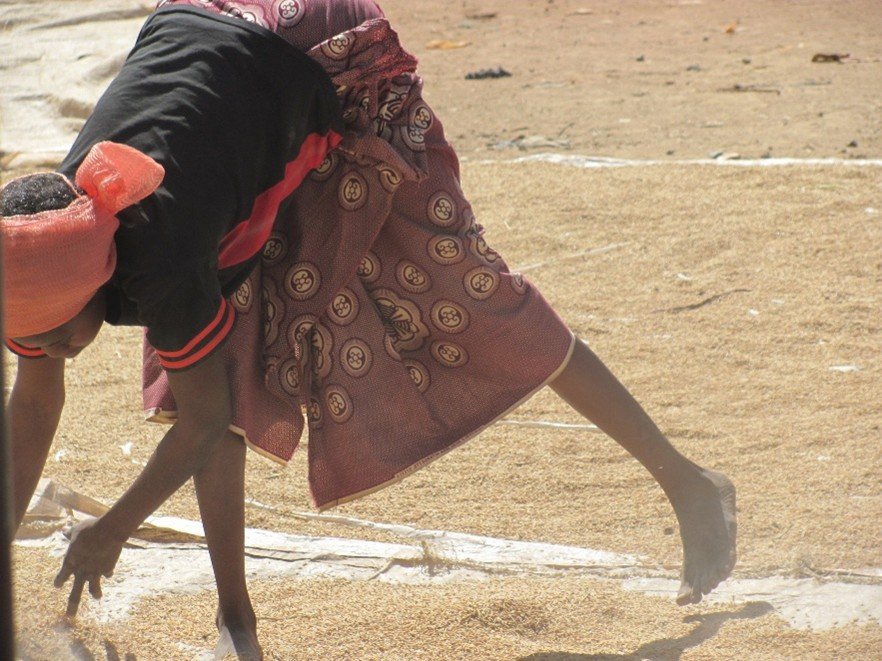
Drying the rice after parboiling, before husking.

Drying the rice after parboiling, before husking. (Source: ACSD photo archive with permission from the Sinignassigui Women’s Cooperative)
Agriculture Business

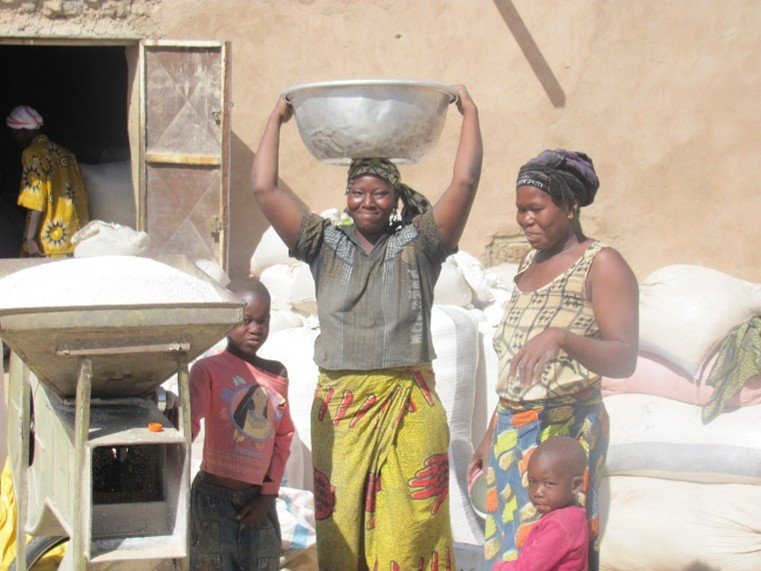
Once the rice is parboiled and husked, it is bagged for sale. (Source: ACSD photo archive with permission from the Sinignassigui Women’s Cooperative)
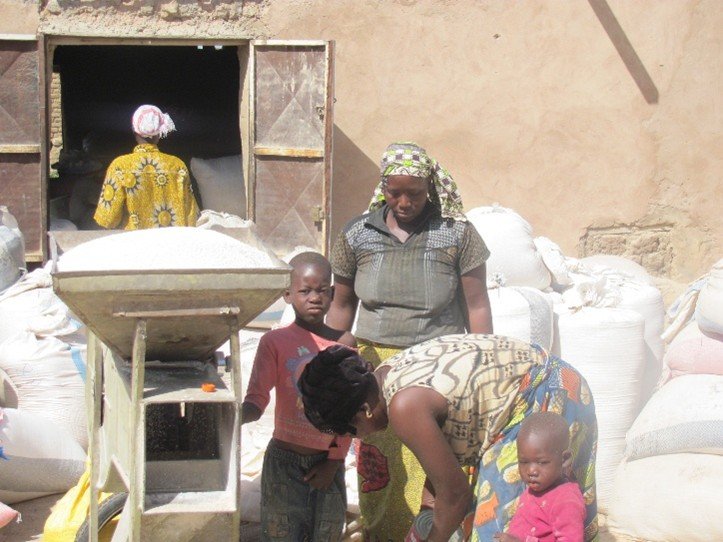
A group of women and children engaged in activity near a grain processing machine, surrounded by bags of grain in a rural setting.

The bagged rice is now ready to market. (Source: ACSD photo archive with permission from the Sinignassigui Women’s Cooperative)
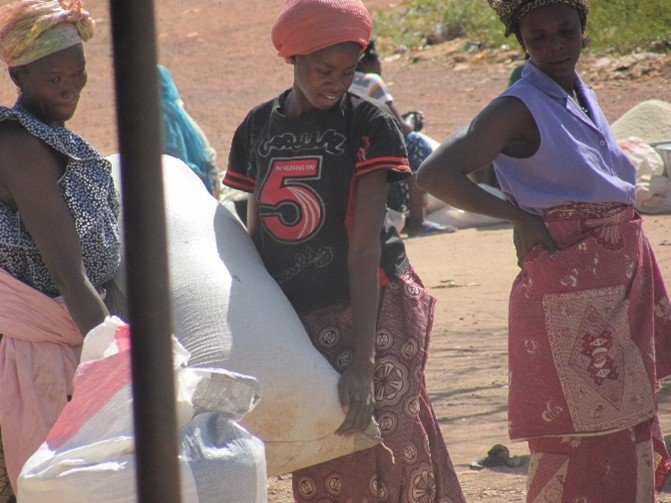
Transportation of the rice to the point of sale.

Transportation of the rice to the point of sale. (Source: ACSD photo archive with permission from the Sinignassigui Women’s Cooperative)
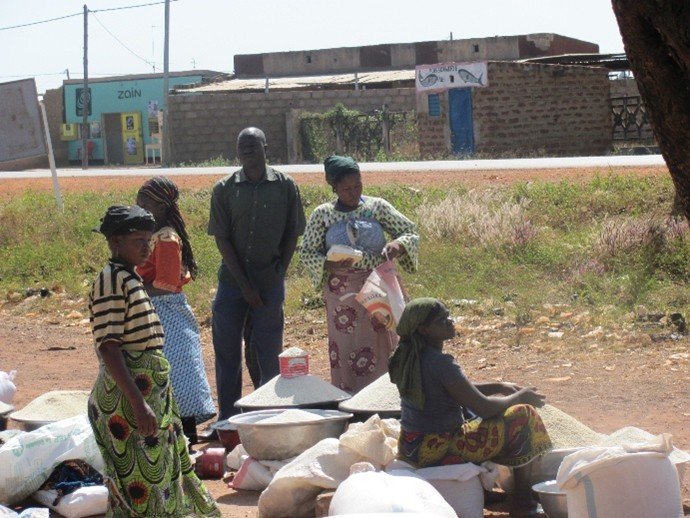
Point of retail sale (per kg.) which generates even higher returns per 100 kg. Sack.

Point of retail sale (per kg), which generates even higher returns per 50 kg sack. (Source: ACSD photo archive with permission from the Sinignassigui Women’s Cooperative)