
Case Study: Inclusive Finance

Association Dean Kanu and GECAs in the Commune of Bobo-Dioulasso, Burkina Faso

Issa Zerbo

In the course of executing the USG-funded LCapS census, ACSD identified a number of successful groups that had or were currently benefitting from international donor support. One of these was the Dean Kanu Association that had successfully managed a US $14,000 grant, which it used to train and purchase agribusiness equipment for its 40 members. When asked to identify one of the most critical lessons learned from their success, they underscored the group’s historic commitment to the creation of Self-Managed Savings and Credit Groups (Groupe d’Epargne et de Crédit Autogéré or GECA) for themselves and their partner organizations.

The concept of a GECA—a rotating credit group or tontine—is widespread throughout the Sahel. It is a way of helping vulnerable women undertake an activity (no matter how small) and encourage them to develop the habit of weekly savings from this activity in the expectation that it will eventually allow them to qualify for a larger credit (from the GECA group they belong to) so that they can expand their businesses. Some groups operate on a cycle of 36 weeks (i.e., a woman must contribute for 36 weeks before qualifying for a loan); others operate on a cycle of 52 weeks. At the end of each cycle, each of the qualifying members gets access to the amount she contributed plus an equivalent portion of any interest that accrued on the group’s collective investment. The most successful GECAs gradually increase their operating capital and open at least one bank account. For many women, this was the first time they ever entered a bank, much less benefitted from bank services.

The most successful GECAs tend to attract wealthy individuals and/or programs to support various sub-groups that develop in conjunction with the group.

.

  • Lesson LearnedGECAs are widespread in West Africa and offer a good entry point for co-identifying ways to strengthen vulnerable groups’ participation in and benefit from donor-funded projects.
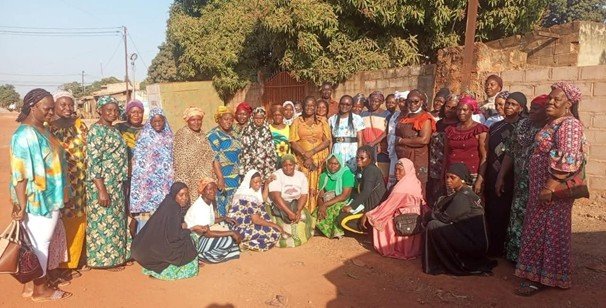
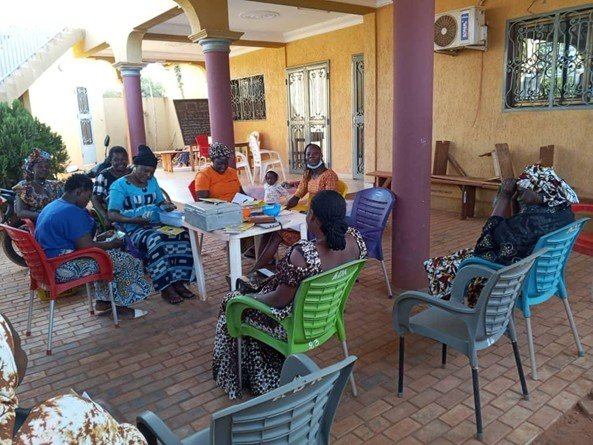
1.. The women in one of the four sub-groups of the large GECA that the Association Deen Kanu belonged to at one of their monthly meetings.

The women in one of the four sub-groups of the large GECA that the Association Dean Kanu belonged to at one of their monthly meetings. (Source: Association Dean Kanu photo archive)
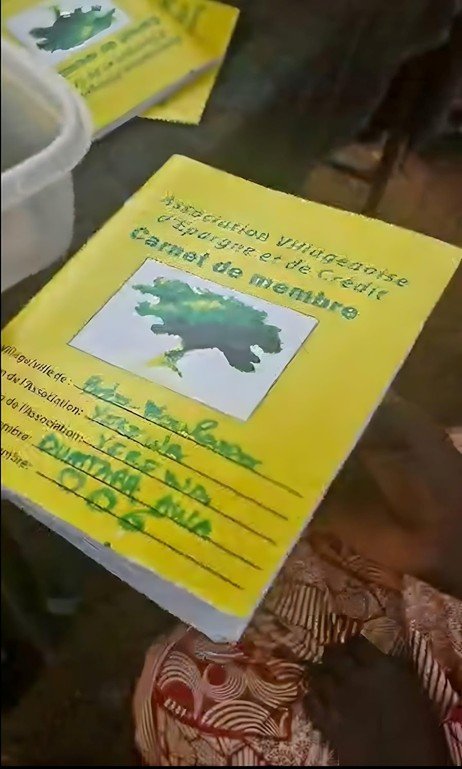
A typical GECA member’s notebook which the member uses to track her contribution to the GECA (i.e. rotating credit group or tontine)

A typical GECA member’s notebook that the member uses to track her contribution to the GECA (i.e., rotating credit group or tontine). (Source: Association Dean Kanu photo archive)
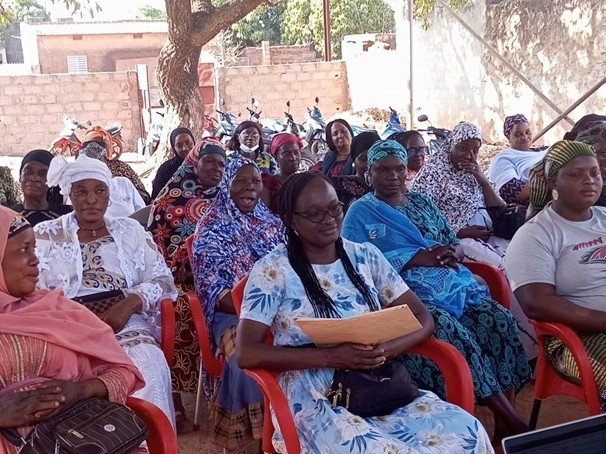
3. A typical meeting of the women associated with the GECA rotating credit group (tontine).

A typical meeting of the women associated with the GECA rotating credit group (tontine). (Source: Association Dean Kanu photo archive)
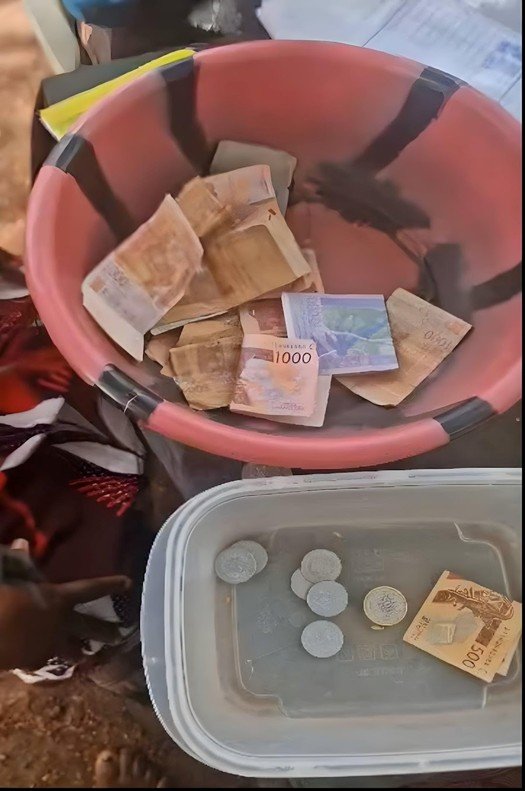
5.The weekly collection plate.

The weekly collection plate. (Source: Association Dean Kanu photo archive)
g4

Collection of weekly contributions at the GECA (tontine). (Source: Association Dean Kanu photo archive)