Case Study: Extractive Mega Projects Environmental and Social Due Diligence
Francois Djissou Happi
Mega extractive mineral and oil projects in remote and sensitive environments in the tropics (e.g., Central Africa region; Papua New Guinea; Southeast Asia; and South America) present unique challenges that can scale beyond industrial standard risks. These environments are specifically characterized by fragile ecosystems with high biodiversity and very complex social structures that are deeply rooted in indigenous traditions and strong customary land tenure. This short best-practice paper intends to outline a few lessons learned for the design and execution of environmental and social due diligence for large (i.e., mega) projects in sensitive regions that must align with international benchmarks and national/local realities and regulations. Two of the most important of these international benchmarks are the International Finance Corporation Performance Standards (IFC PS)[1] and the Equator Principles.[2] The paper is divided into three parts.
- Section one includes a brief overview of the three main phases of environmental and social due diligence for mega projects like large oil production or pipeline projects.
- This is followed by some of the principal lessons learned from the Papua New Guinea Liquefied Natural Gas (PNG-LNG) Project (2012-2014) which is similar in scope and complexity to the Central African Pipeline System (CAPS) project, which is still in its initial planning phase [3]; and
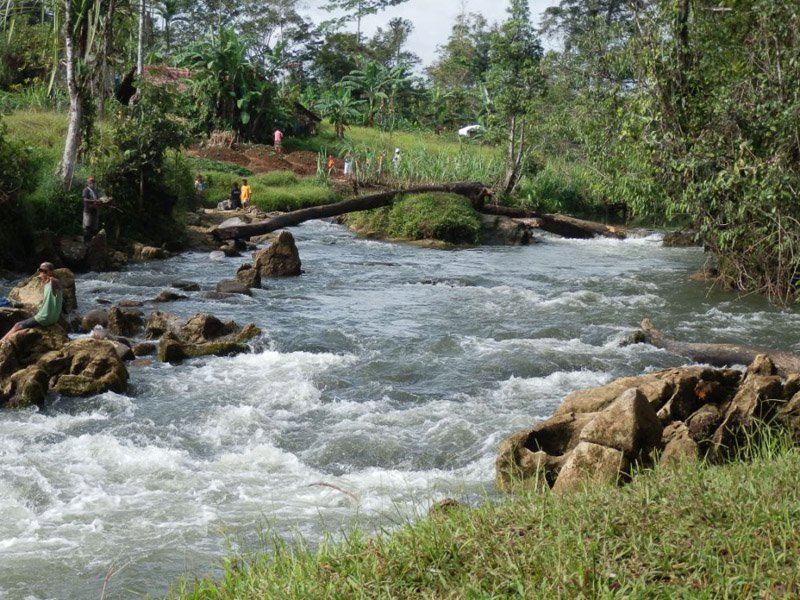
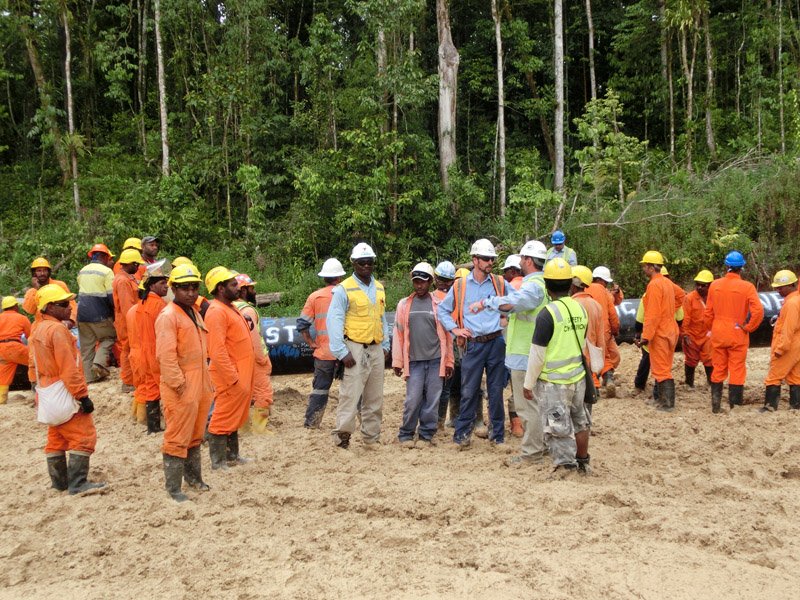
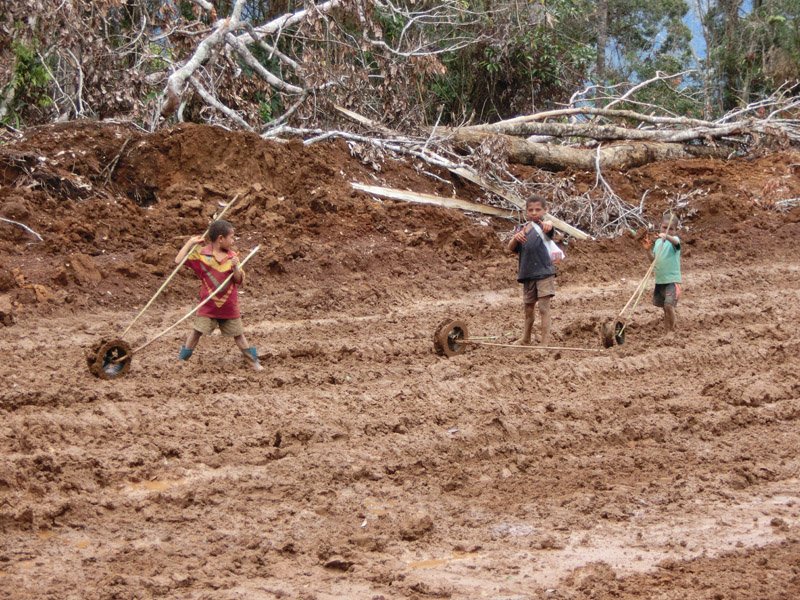
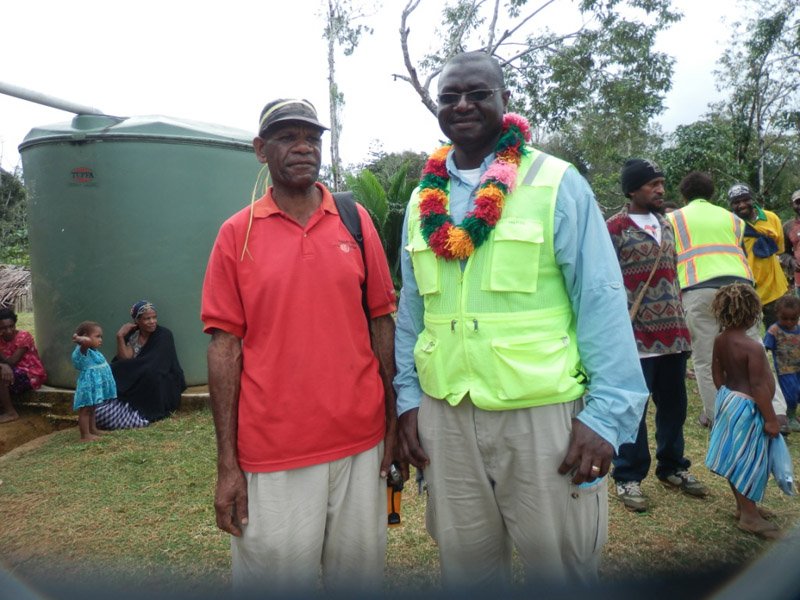
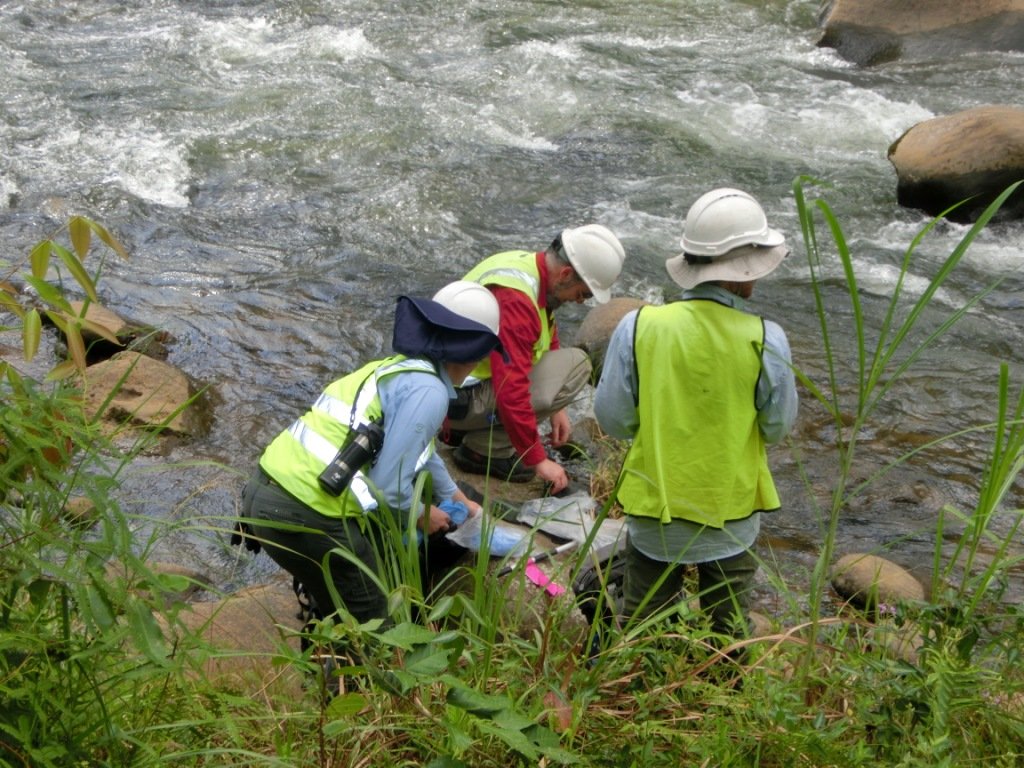
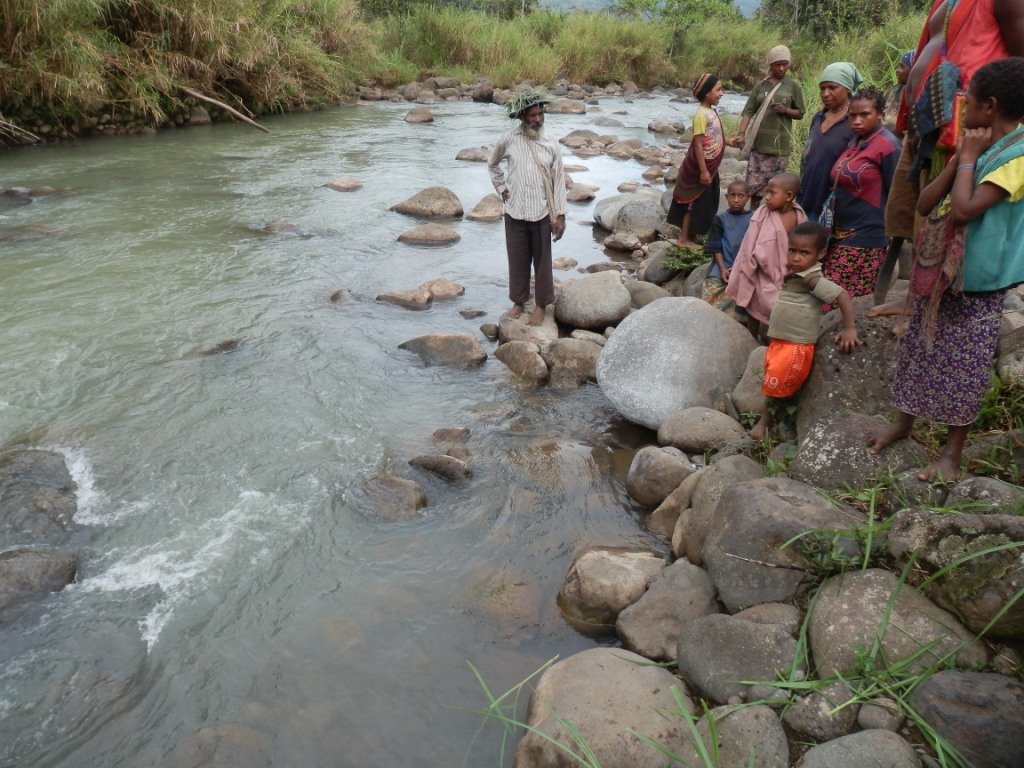
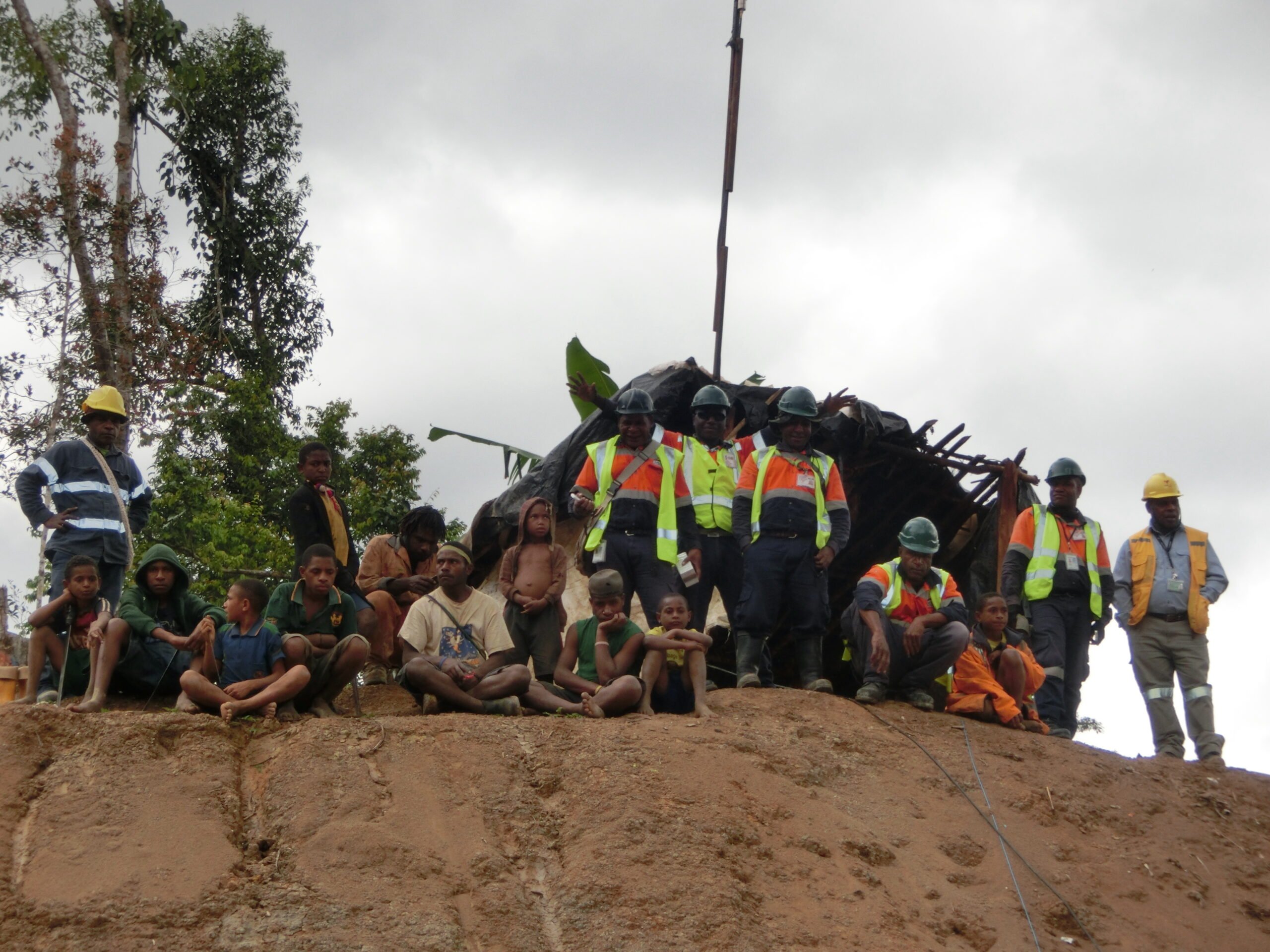
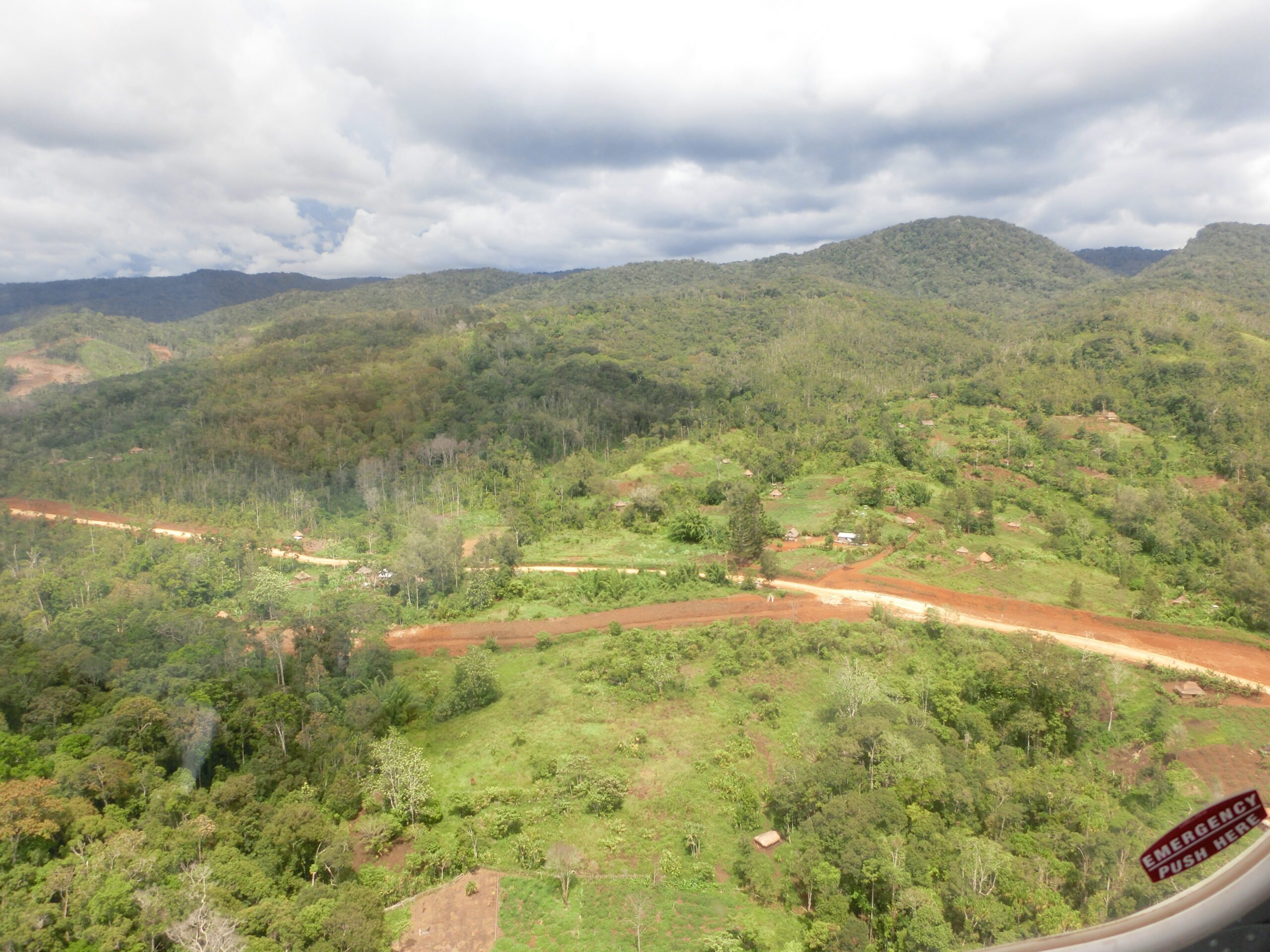
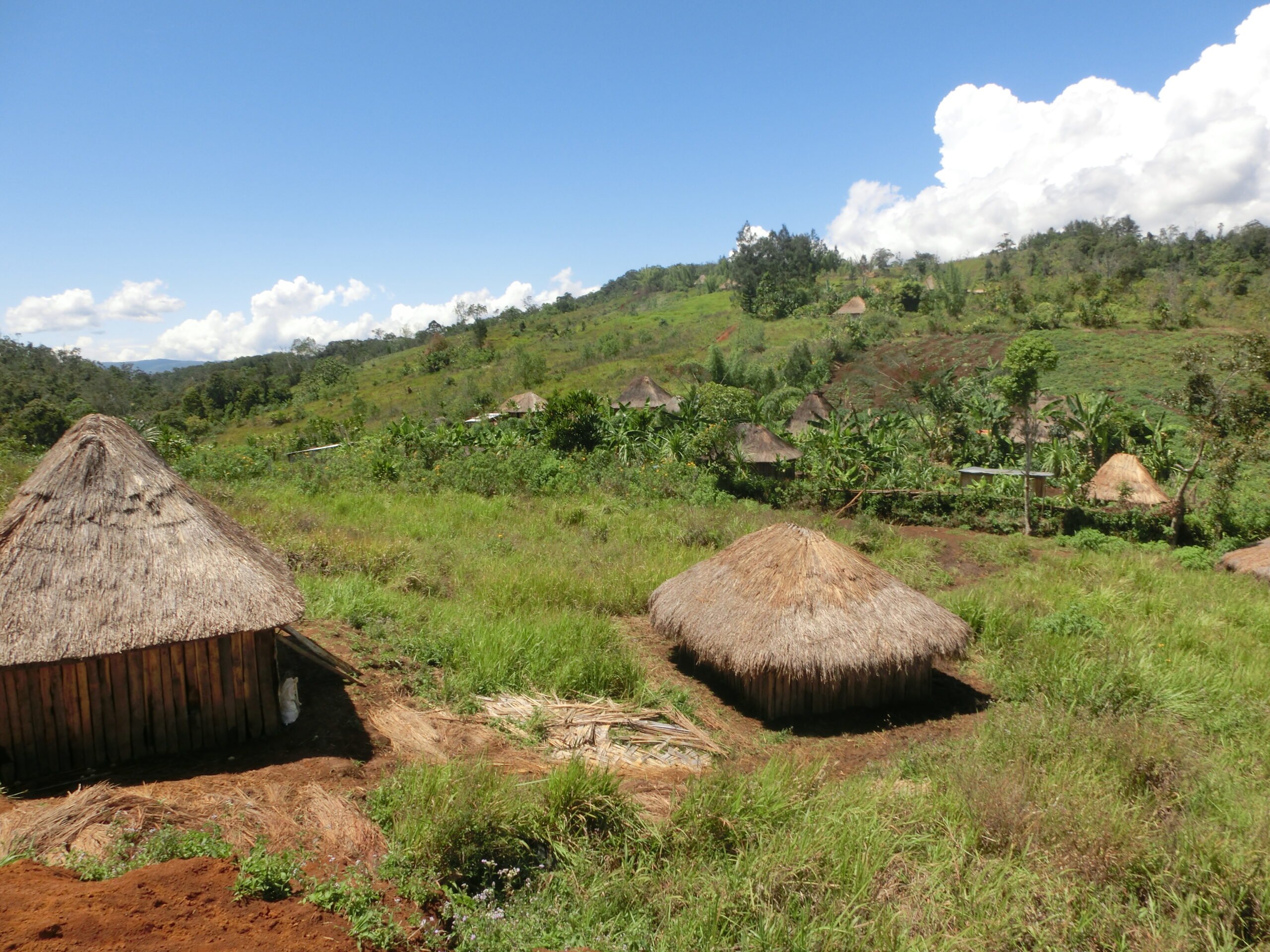
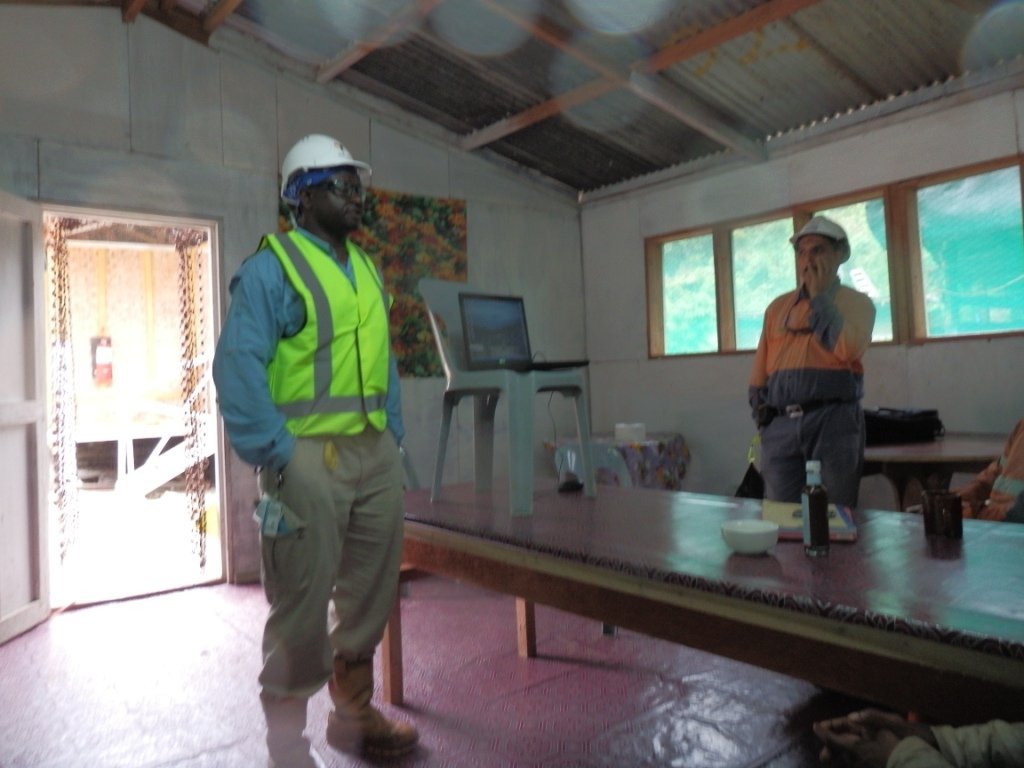
- A short photo essay on best practice from the PNG-LNG Project.
Main Phases for Environmental and Social (E&S) Due Diligence
Phase-I: Pre-Assessment and Strategic Planning: In most cases, the E&S start-up focuses on project preparation, scoping, and risk categorization/screening prior to any fieldwork. The principal objective is the identification of the project’s overall risk that will dictate the level of assessment and the management required for the E&S due diligence. This includes identifying critical flaws and sensitive receptors including mapping customary land boundaries, protected species, as well as communities that the project will impact through a consistent exploitation of baseline data, geographic information systems maps, as well as an official evaluation of the land in cases where the local population might need to be compensated for involuntary displacement.
Phase-II: Execution and Community Engagement: This is generally followed by the implementation of an audit plan, site work, and the first round of meetings with local stakeholders. Here the E&S team needs to understand:
- The local social dynamics and local peoples’ concerns about the direct, indirect, and cumulative impacts of the project on the local communities; and
- How to develop robust and effective management plans that align with good industry best practices and the stringent international standards that the major oil and mineral extraction companies are required to respect.
Phase-III: Post Assessment, Verification, and Integration: To ensure that the major findings of Phase II are credible, actionable, and effectively integrated into a robust project’s governance and financing, the E&S team must ensure that:
- All critical high-risk issues are recorded and disclosed in a language that communities can easily understand; and
- The local communities have provided their own input/feedback on the management plan’s community-level initiatives through:
- A strong and effective/user-friendly grievance mechanism; and
- A systematic third-party oversight monitoring body to ensure that all the E&S management plans meet the required IFC PSs while verifying that the E&S action plans are integrated as pledges into financial/investment agreements, hence legally binding the project’s proponents.
Key Lessons Learned, Recommendations, and Conclusions
Lesson Learned & Recommendations
A list of recommendations for avoiding and/or mitigating the impacts of the most common planning issues is described below (Table 1).
Table 1. Common Issues and Recommended Mitigation Measures for the Environmental and Social (E&S) Component of Extractive Mega Projects
| Lesson Area | Common Issues | Recommended Actions for Avoiding These Issues |
| 1. Land ownership | Many projects face delays due to disputes over who constitutes “the legitimate landowners.” | Genealogical mapping[4] must be completed and verified by state and communities before a mega project starts. |
| Top-down engagement with “leaders” is usually insufficient to resolve land tenure issues. | Inclusive engagement that includes women, youths, and marginalized clans is critical to ensure the transparent and effective land tenure process. |
| 2. In-migration | The promise of jobs attracts thousands of outsiders to project areas, leading to social frictions and pressure on local services. | Manage expectations early and develop an “in-migration” management plan in partnership with local development committees, groups, and leaders. Adhere to Extractive Industries Transparency Initiative standards[5] to ensure benefits sharing agreements are made public and well understood. |
| 3. Grievance mechanisms | Traditional conflict resolution is case critical and impacts the project at various stages if not resolved properly. | This type of conflict resolution mechanism must be integrated into corporate grievance systems to prevent escalation into tribal violence. |
| 4. Logistic footprint | The infrastructure required to build mega projects (roads, airstrips, shoo-fly, laydown area) often causes more environmental damage than the project itself. | Use “Integrated Infrastructure Planning” to minimize the footprint and prevent illegal logging and poaching facilitated by new access roads. |
| Projects often underestimate seismic/climate risks. | Require engineering designs based on “1-in-10,000 years” event scenarios. |
| 5. E&S Data Collection Methodologies | Remote tools, though effective, have limits because they cannot replace the details provided by the local population that can be verified by experts. | Use remote technology tools for broad assessment and monitoring, but ensure the budget anticipates the need for in-person round-truthing by a mandated E&S team of seasoned experts (i.e., social,, bio-diversity, and environmental experts) at critical project stages. |
| 6. Client -proponent & local partnerships | Strong client (owner of the project)-proponent (contractor and sub-contractors on the project) partnerships are essential for project success, but it all depends on the control of information flow between the client and the proponent to avoid bias and risks. | Diversification of contracts to a wide array of local partners (i.e., local non-government organizations, universities, local development groups, and consultants) can: 1) strengthen the two-way flow of unbiased communication; and, by doing so, 2) ensure alternative perspectives beyond the project proponent’s information collected through ground truthing. |
| Most mega projects experience a cycle where massive, temporary demand for local labor and goods (the boom) is followed by a sharp collapse in demand once construction finishes (the bust). This creates an unstable economic dependency where communities experience rapid, temporary employment followed by sudden, high unemployment and business closures. | Encourage sustainable local development related to small businesses. Vocational training will upscale the local workforce that was used on the project to advance their knowledge around the tasks needed for the project’s long-term operations and maintenance. |
| 7. Social dynamics overlap | Environmental and social risks are deeply interconnected (e.g., land clearing leading to loss of livelihood and conflict) in sensitive contexts. | Use an integrated socio-ecological systems approach from the start. Ensure that social scientists, biologists, ecologists, and other experts work collaboratively, not in isolated silos. |
| 8. Free, prior, & informed consent (FPIC) as a process | Treating FPIC as a checkbox activity is a major source of conflict and project failure. | Design a robust due diligence process to audit the quality of the FPIC process (in terms of its inclusivity, transparency, and representation) as well as its documented outcomes. |
| 9. Adaptative management | Static management plans are likely to fail in dynamic remote environments when new challenges emerge. | Design and promote a resilient E&S management framework that includes regular review, a contingency budget, and the flexibility to include new information. |
| Reactive crisis management is often expensive. | Promote the concept of proactive “social license” crisis management versus case-by-case crisis management. The term social license refers to an approach to crisis management that emphasizes that trust is earned through consistent, transparent, and respectful engagement with local communities rather than simple legal compliance. |
| 10. Long-term capacity strengthening | Projects often falter after construction due to the lack of local institutional capacity to manage long-term impacts. | Integrate long-term, capacity-strengthening plans and funding for relevant government agencies and community-based monitoring groups to participate in the execution of these plans into the E&S project’s close-out budget. |
Source: Francois Djissou Happi, March 11, 2026 for ACSD.
Conclusions
In conclusion, due diligence for mega extractive mineral projects across the globe must shift from a “compliance” mindset to a “partnership” mindset. One of the main reasons is the technical complexity of building remote mega projects in high biodiversity areas that still operate on complex customary land tenure systems. This is why one of the principal factors that drives the social and environmental outcomes of an E&S work plan is if and how the project manages the associated land tenure issues, which can only be resolved by high levels of informed partnership with local communities and leaders. Future assessments must therefore prioritize early social mapping, transparent trailing management, and robust “in-migration” management planning to mitigate the risks identified in previous projects under similar conditions.
References
[1] https://www.ifc.org/en/insights-reports/2012/ifc-performance-standards; https://www.innovativkonzept.com/ifc-performance-standards/
[2] https://equator-principles.com/
[3] CAPS is a planned, integrated network of pipelines—primarily for hydrocarbons (oil, gas, and liquified natural gas [LNG])—intended to connect multiple countries in Central Africa via an estimated 6,500 km of pipeline infrastructure. It goes far beyond a simple oil pipeline: the project includes gas pipelines, fuel (refined product) lines, pumping stations, storage terminals, LNG facilities, refineries, and power plants. https://news.mongabay.com/2023/04/caps-new-gas-megaproject-aims-to-power-central-africa-but-at-what-cost-critics-ask/#
[4] Genealogical social mapping, often referred to as social mapping and landowner identification (SMLI), is a specialized methodology crucial for understanding and engaging with local communities in the vicinity of large-scale development projects, particularly within the extractive industries (mining, oil, and gas). This approach is vital for identifying customary land and resource owners, understanding complex social structures, and ensuring equitable benefit-sharing and impact mitigation. It is a fundamental component of social impact assessments and a prerequisite for obtaining a social license to operate in many jurisdictions.
Sources:
[5] https://eiti.org/eiti-standard