
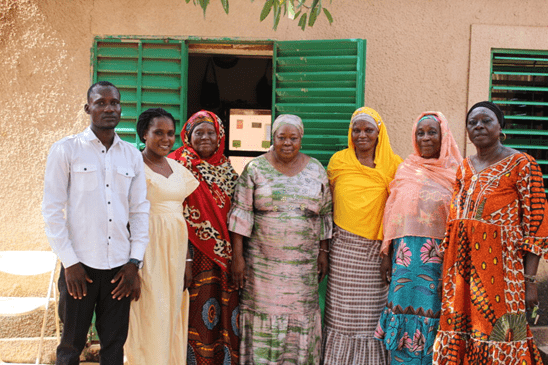
The GAFREH President and her assistants. (Source: GAFREH photo archive)
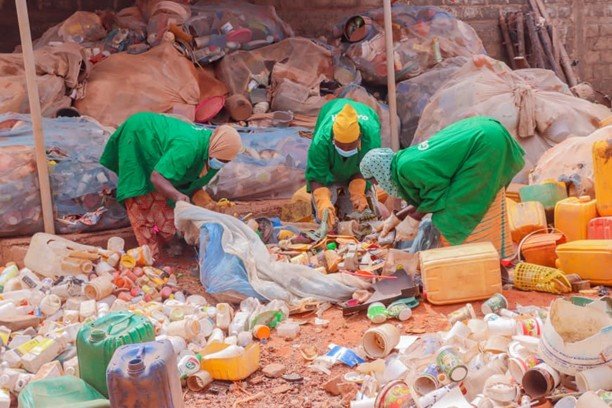
The GAFREH President and her assistants. (Source: GAFREH photo archive)
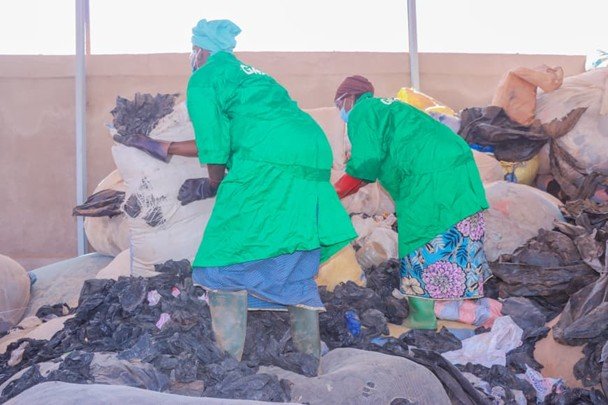
Two GAFREH members collecting plastic waste. (Source: GAFREH photo archive)
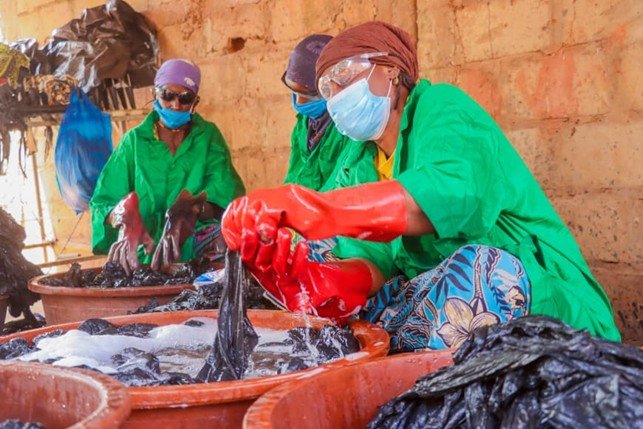
Treating the bags before weaving. (Source: GAFREH photo archive)
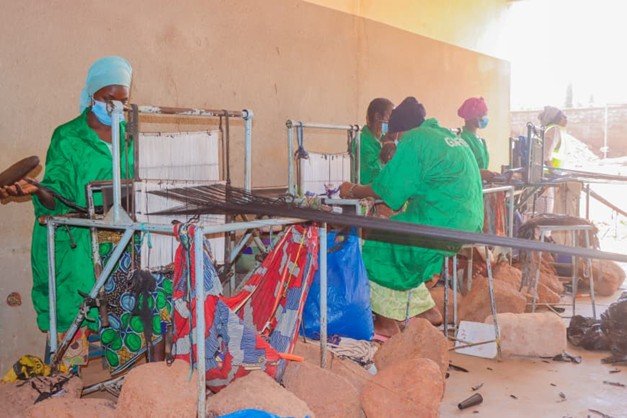
Treating the bags before weaving. (Source: GAFREH photo archive)
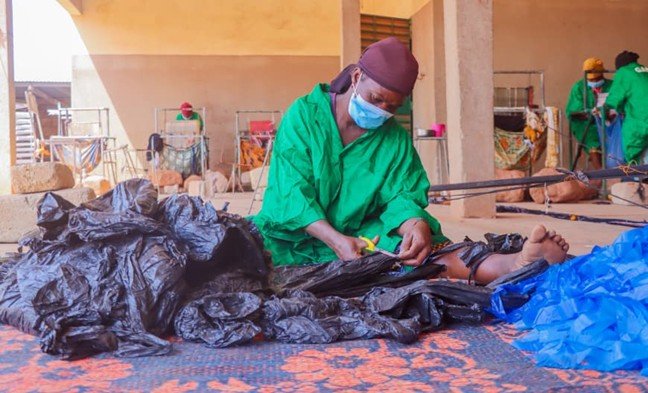
Treating the bags before weaving. (Source: GAFREH photo archive)
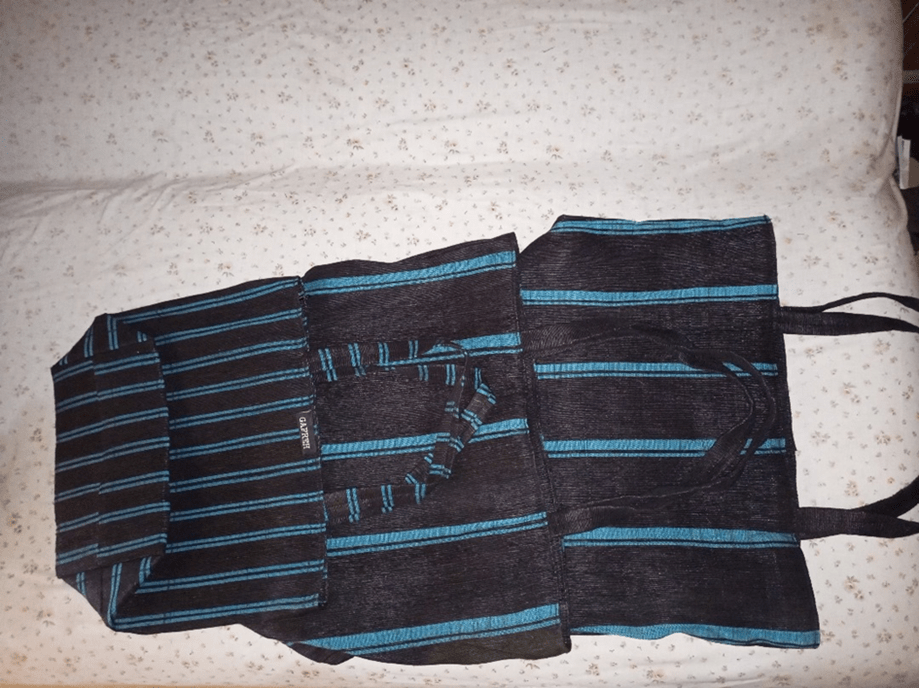
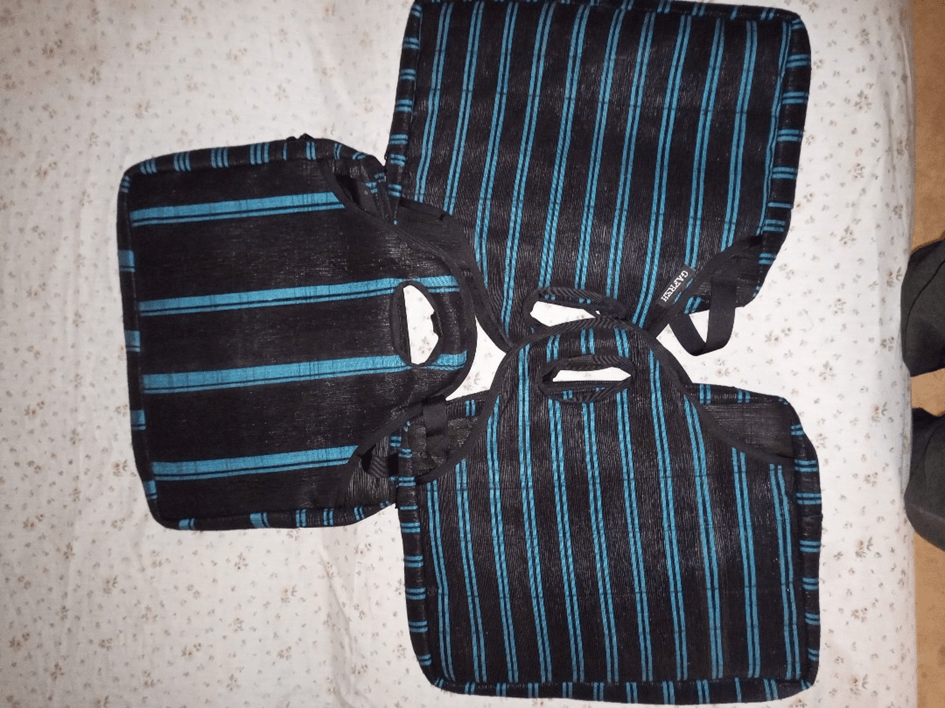
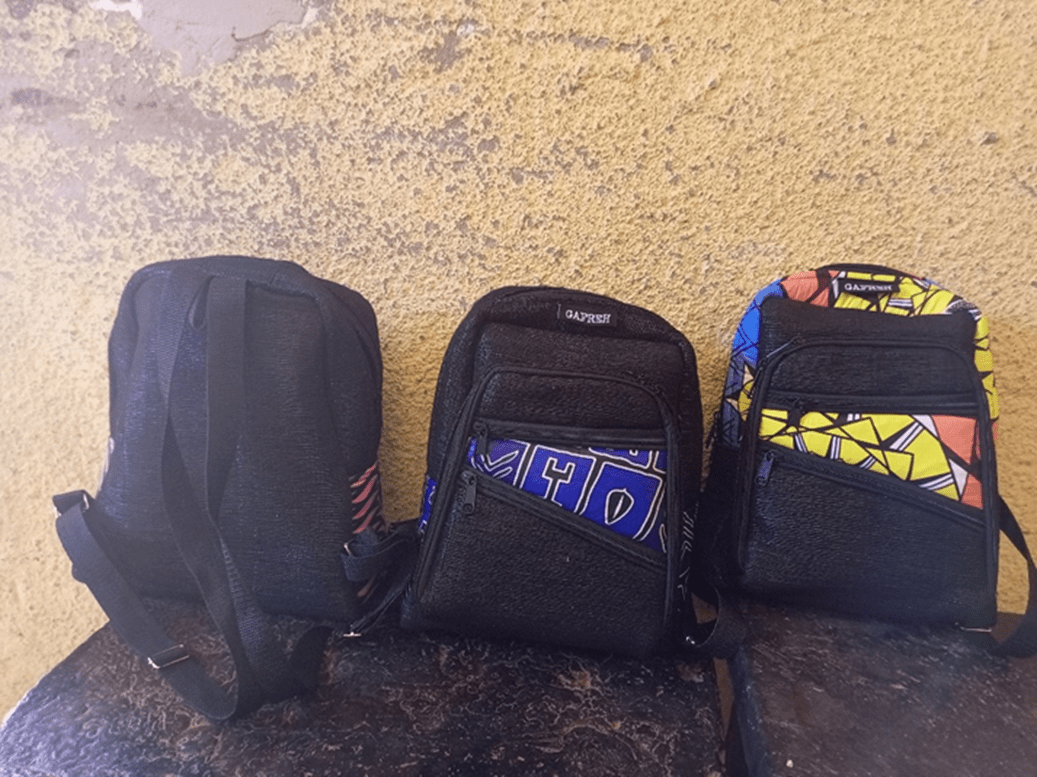
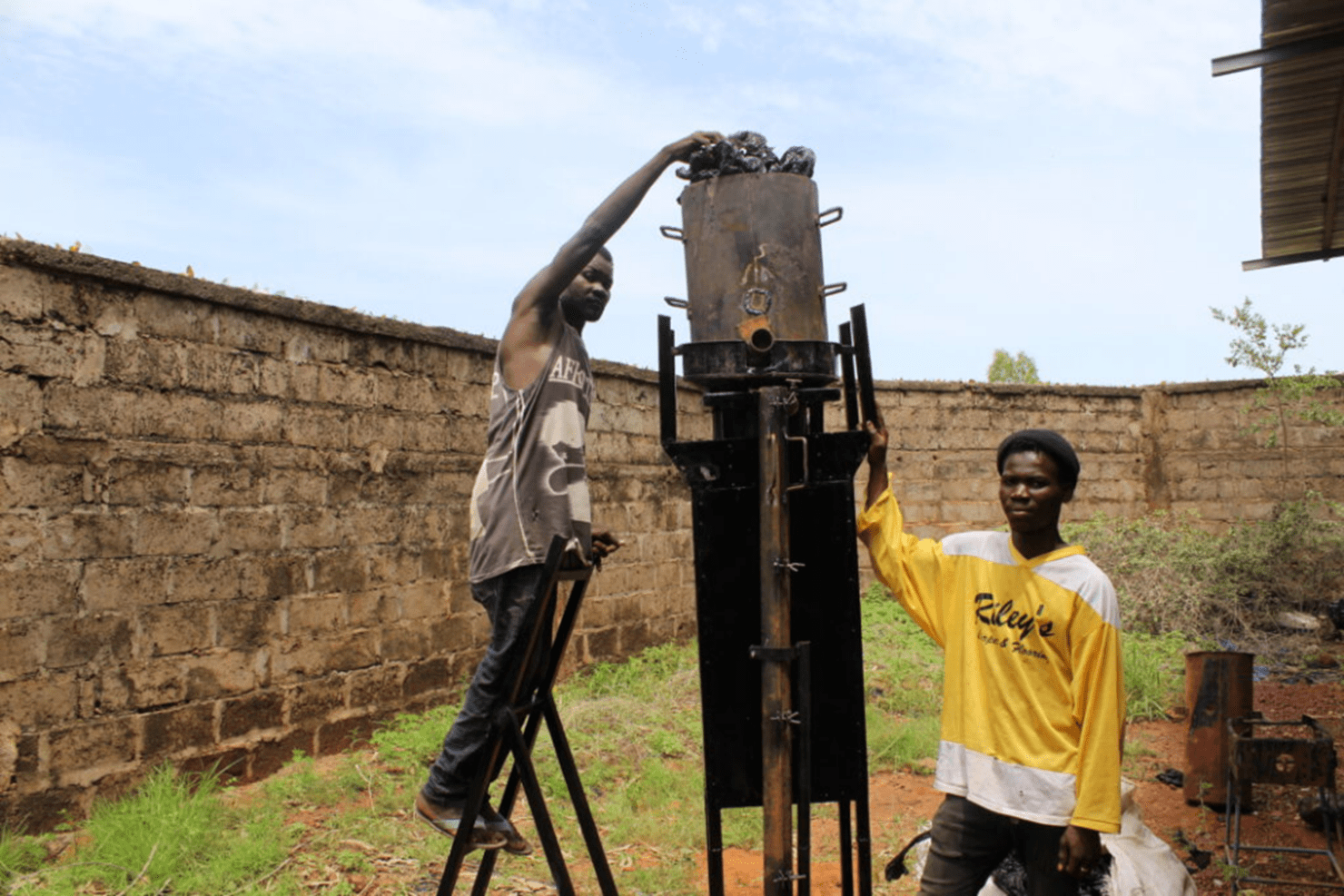
The plastic sacks that are too degraded for weaving are turned into bricks, stop signs, and field markers that people order and/or purchase from the collective’s store. This picture shows one of the small ovens that are used to fabricate the bricks. (Source: GAFREH photo archive)
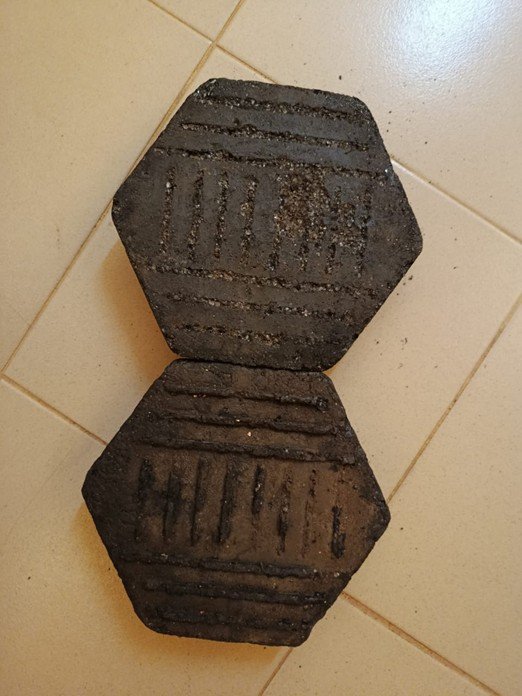
Some of the sample bricks that are manufactured from the recycled plastic for use in peoples’ courtyards. (Source: GAFREH photo archive)
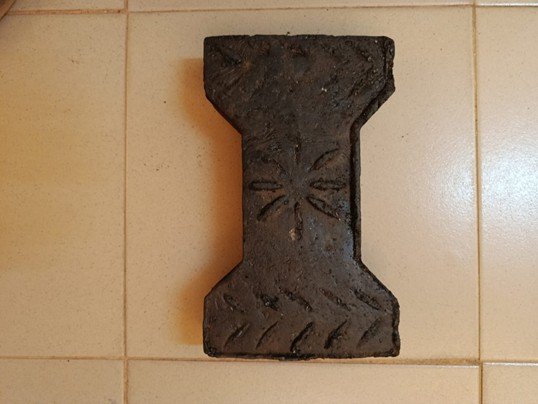
Some of the sample bricks that are manufactured from the recycled plastic for use in peoples’ courtyards.
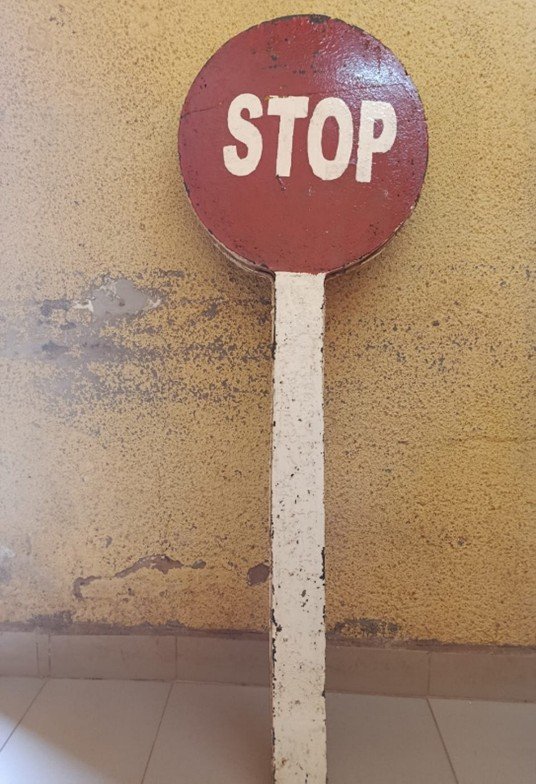
In recent years, the collective has produced stop signs for the Bobo-Dioulasso mayor’s office. (Source: GAFREH photo archive)
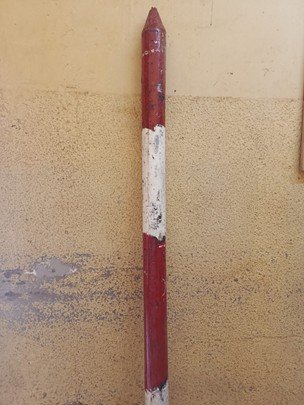
They have also produced a popular line of field markers that people buy to delimit their fields. (Source: GAFREH photo archive)