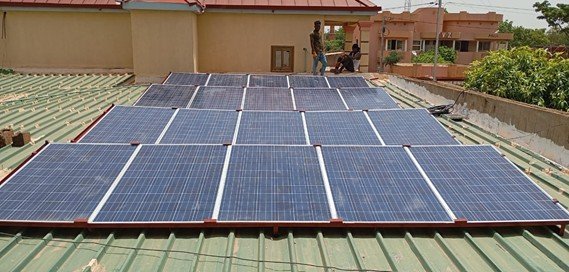
Solar energy panels on an adminitrative building in Burkina. (Source: ACSD resource consultant)
Solar energy panels on an adminitrative building in Burkina. (Source: ACSD resource consultant)
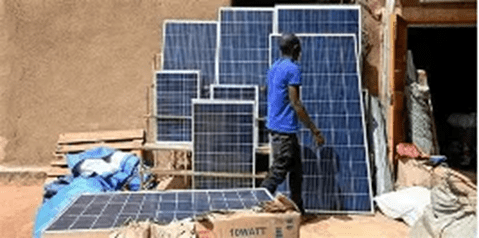
Solar panel salesman in a village in Burkina Faso. (Source: ACSD resource consultant)
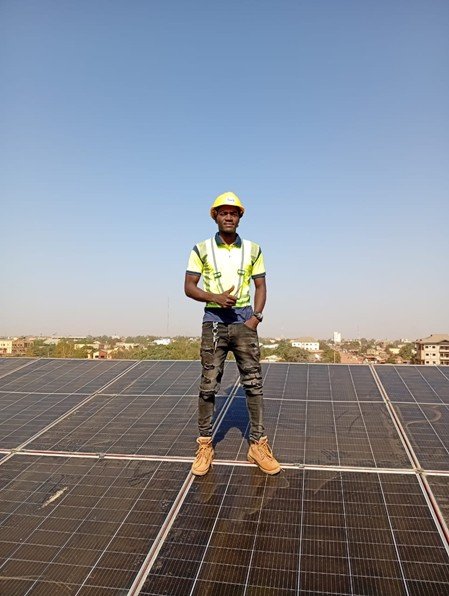
Installation of a solar system on an administrative building. (Source: ACSD resource consultant)
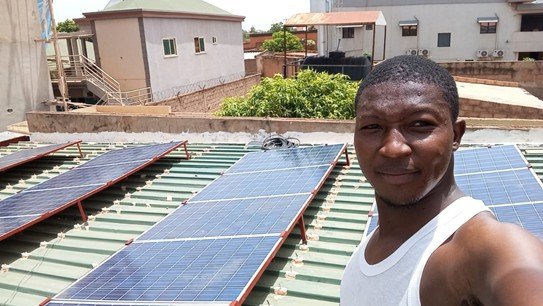
Installation of a solar system on a private home in Burkina Faso. (Source: ACSD resource consultant)
![Burkina Faso i sonly able to produce 60 percent of the electricity it consumes. The remaining 40 percent is imported from neighboring Ghana and Cote d’Ivoire. The output of the Zagtouli Soa Power Station in a northwestern suburb of Ouagadogou was intended to reduce that energy deficit. The power station was dveloped, and is operated by Cegelec, an electricity engineering firm headquartered in Paris, France. At the time of its commissioning in November 2017, it was one of the largest grid-connected solar power stations in West Africa (Source [photo]: Ministry of Energy, Burkina Faso ; [text] : Wikipedia).](https://new.acsdbf.com/wp-content/uploads/2026/02/s6.jpg)
Burkina Faso is able to produce only 60 percent of the electricity it consumes. The remaining 40 percent is imported from neighboring Ghana and Côte d’Ivoire. The output of the Zagtouli Soa Power Station in a northwestern suburb of Ouagadougou was intended to reduce that energy deficit. The power station was developed, and is operated by, Cegelec, an electricity engineering firm headquartered in Paris, France. At the time of its commissioning in November 2017, it was one of the largest grid-connected solar power stations in West Africa. (Source [photo]: Ministry of Energy, Burkina Faso; [text]: Wikipedia)
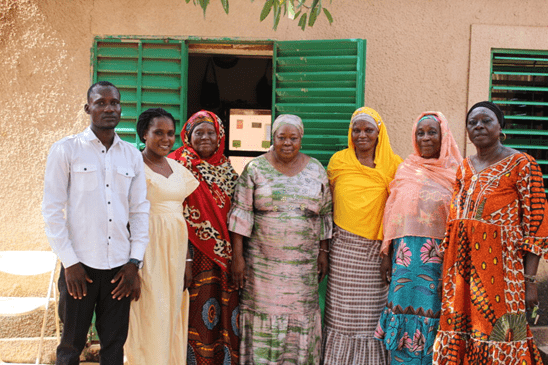
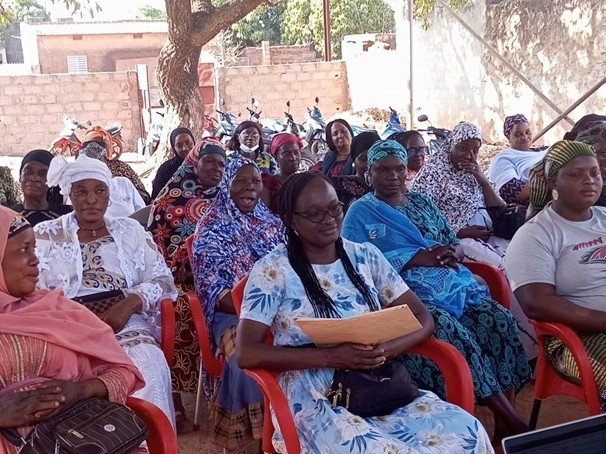
The GAFREH President and her assistants. GAFREH was created in 1995 with no outside donor support. Since then they have benefitted from a number of other grants (from the World Bank, USAID, and the European Union) that have facilitated scale-up of its operations. GAFREH currently (2026) employs more than 6,000 women artists and trash collectors. (Source: GAFREH photo archive)
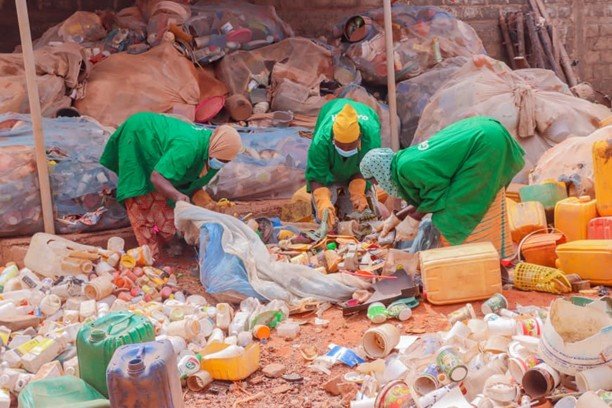
Three GAFREH member sorting plastic waste. (Source: GAFREH photo archive)
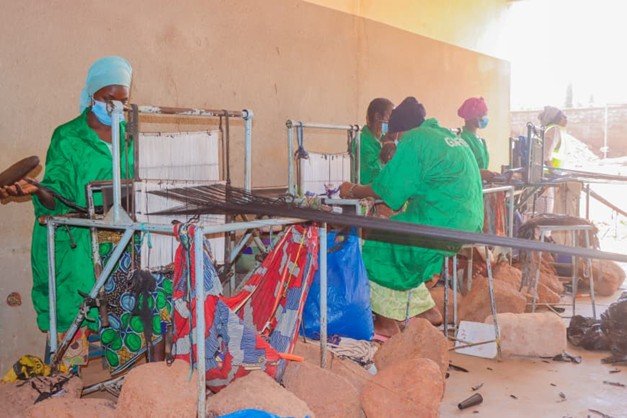
Weaving bags from the strings of treated plastic. (Source: GAFREH photo archive)
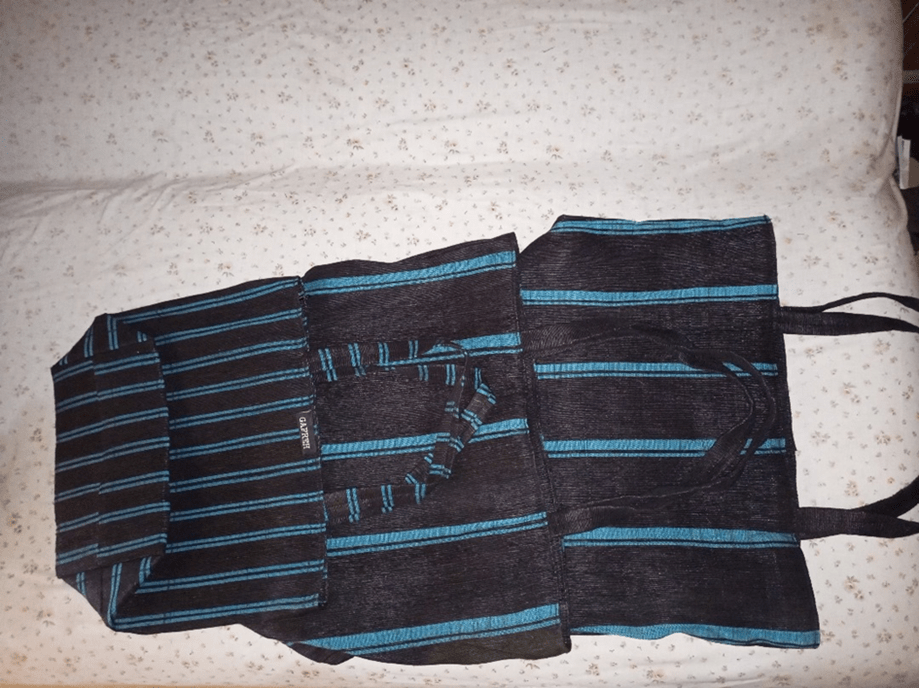
Finished products. (Source: GAFREH photo archive)
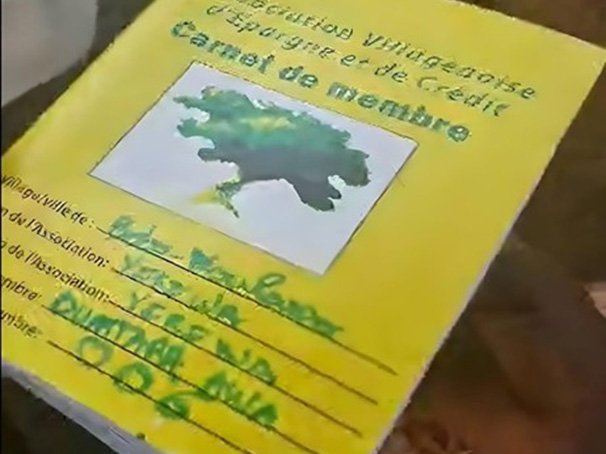
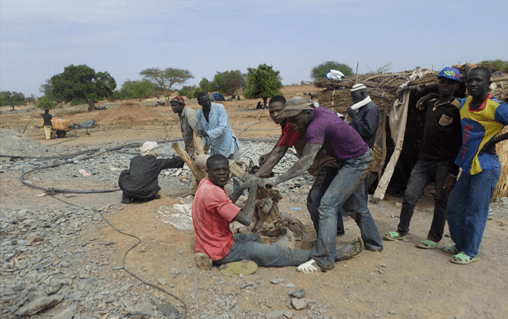
Gravel being pulled out of a traditional mining shaft with the aid of manual pulley at the site. (Source: ANEEMAS)
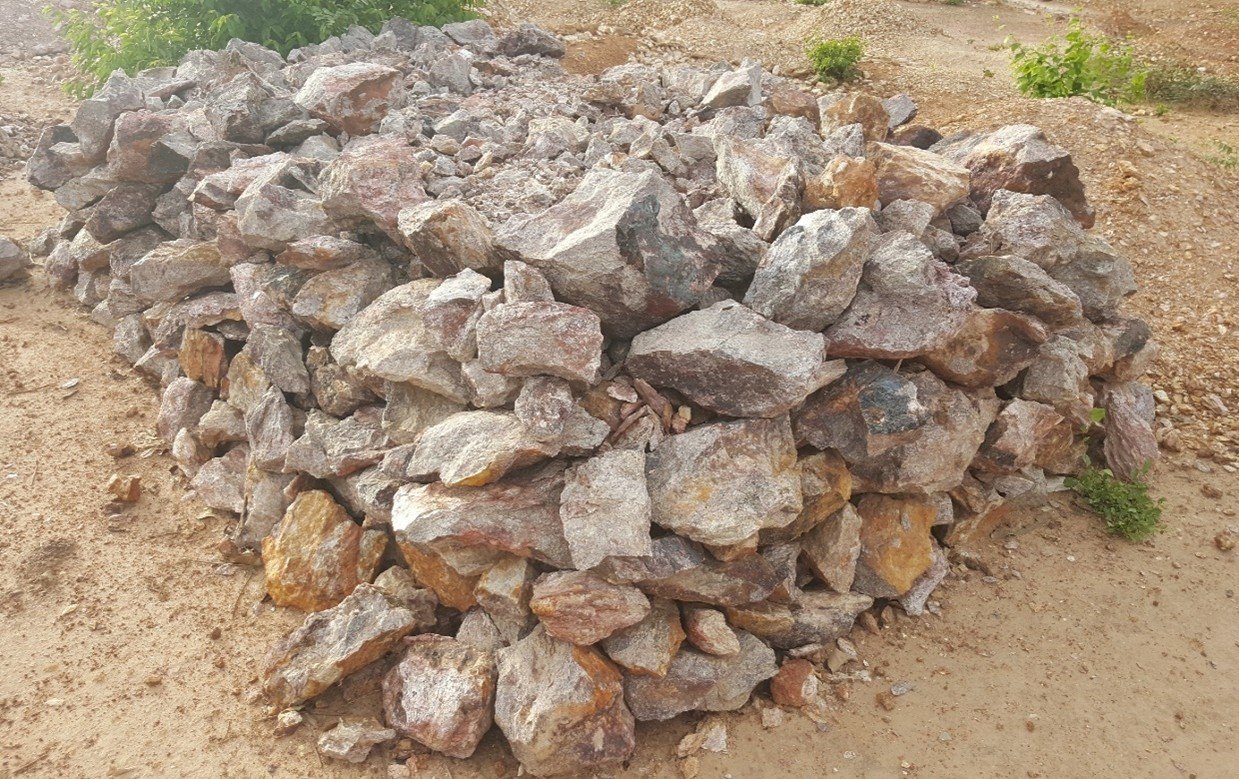
Stocking the gravel before crushing. (Source: ANEEMAS)
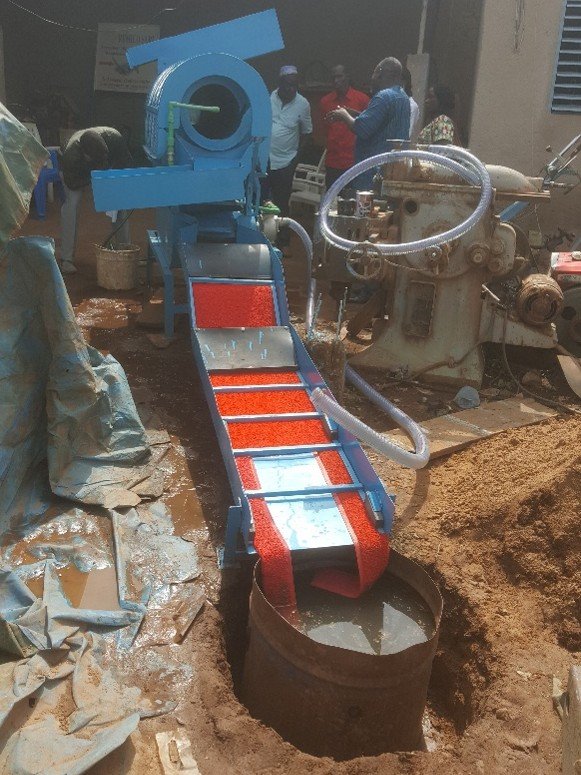
Mineral washing and semi-automatic sorting of the minerals using locally-manufactured sorting machine. (Source: ANEEMAS)
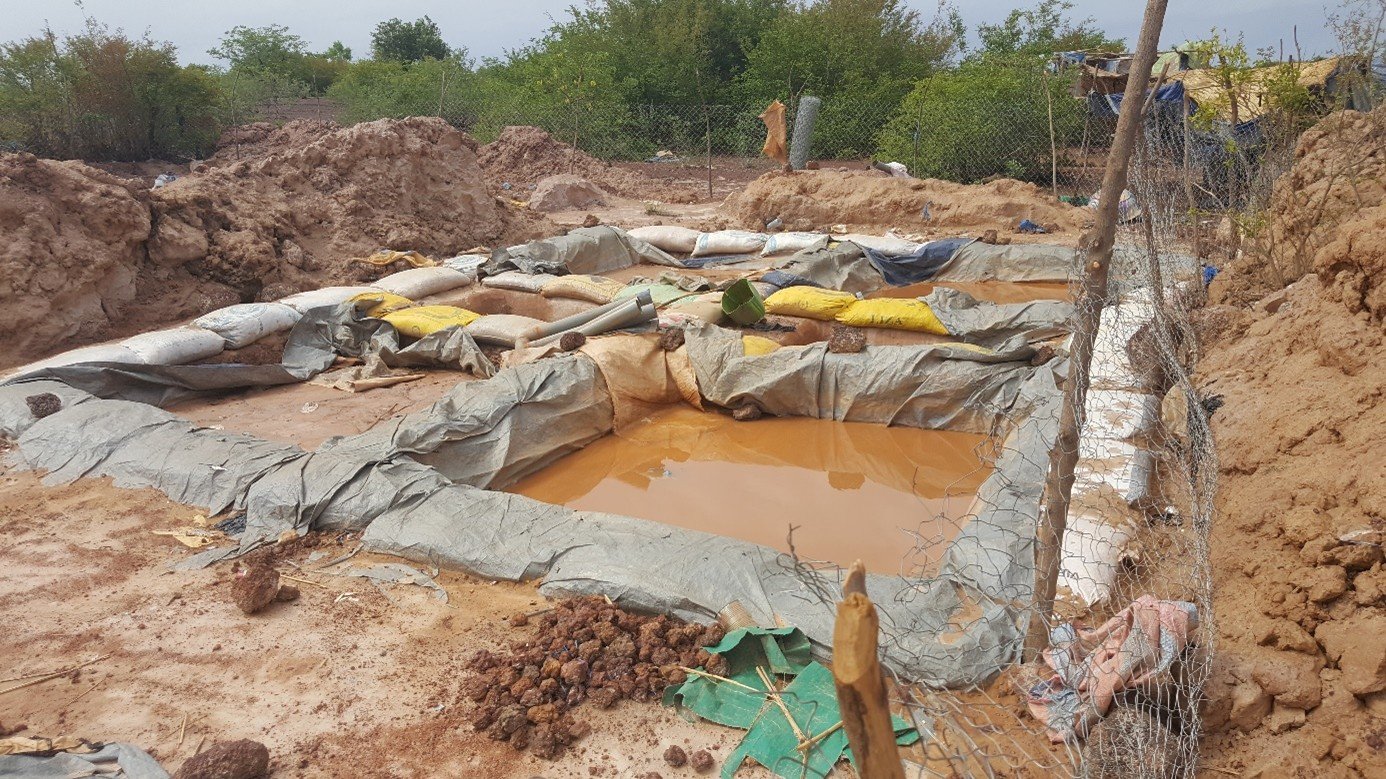
Pond where all the waste water is collected for extra treament with cyanide to extract the remaining particles of gold. (Source: ANEEMAS)
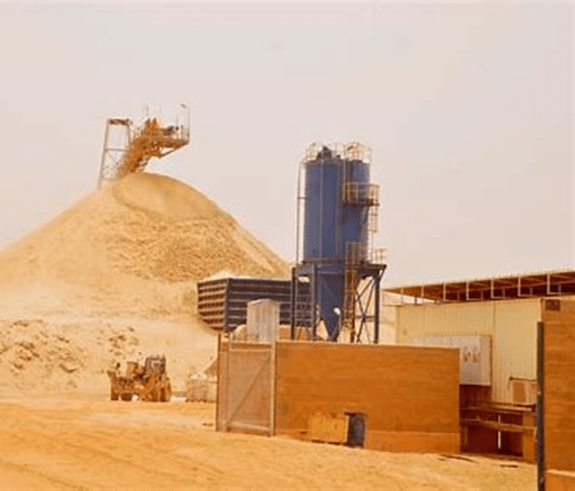
Industrial crushing process. (Source: Ministère des mines)
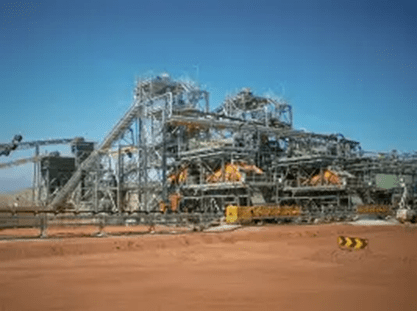
Industrial gold mine. (Source: Ministère des mines)
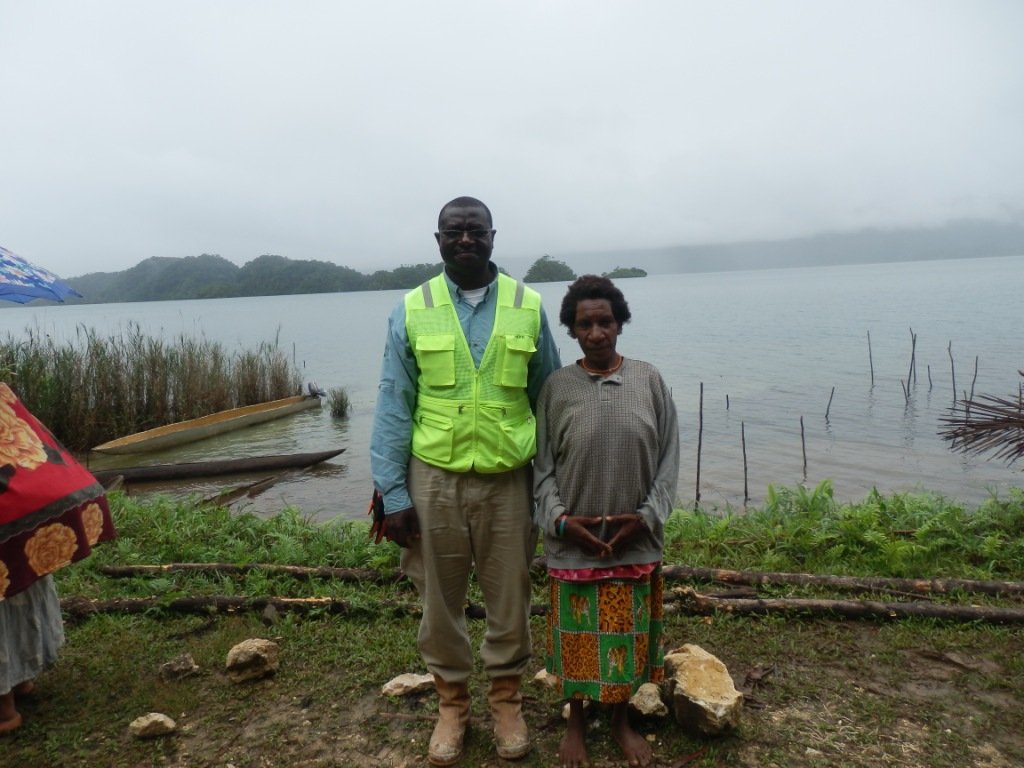
Building community support for awareness and clean-up of sensitive ecological areas. (Source: Francois Djissou Happi)
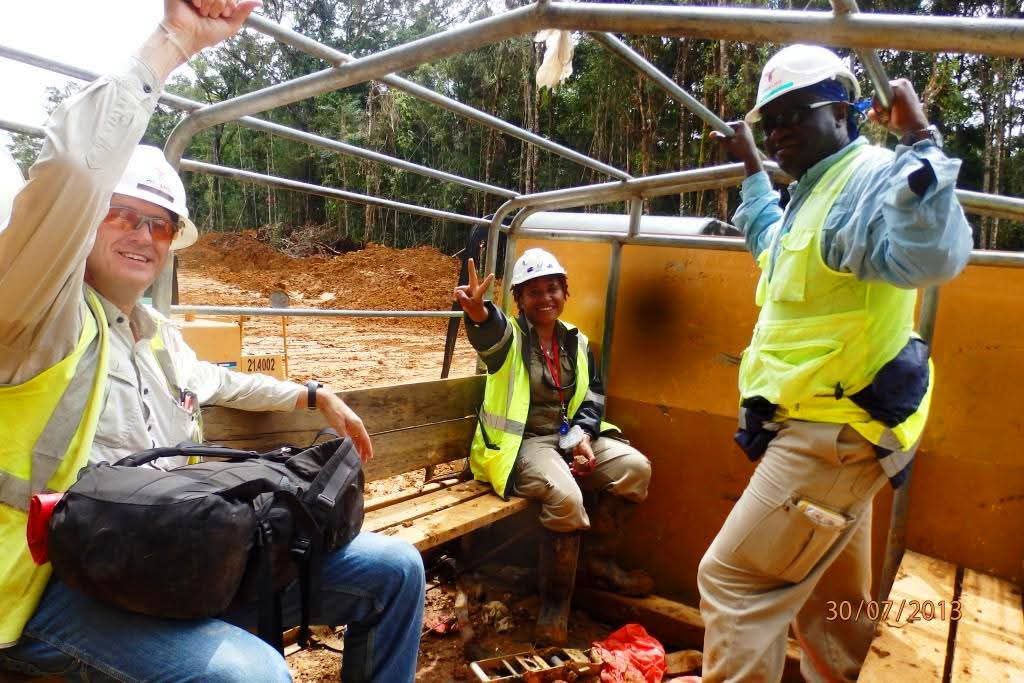
Field team responsible for E&S activities. (Source: Francois Djissou Happi)
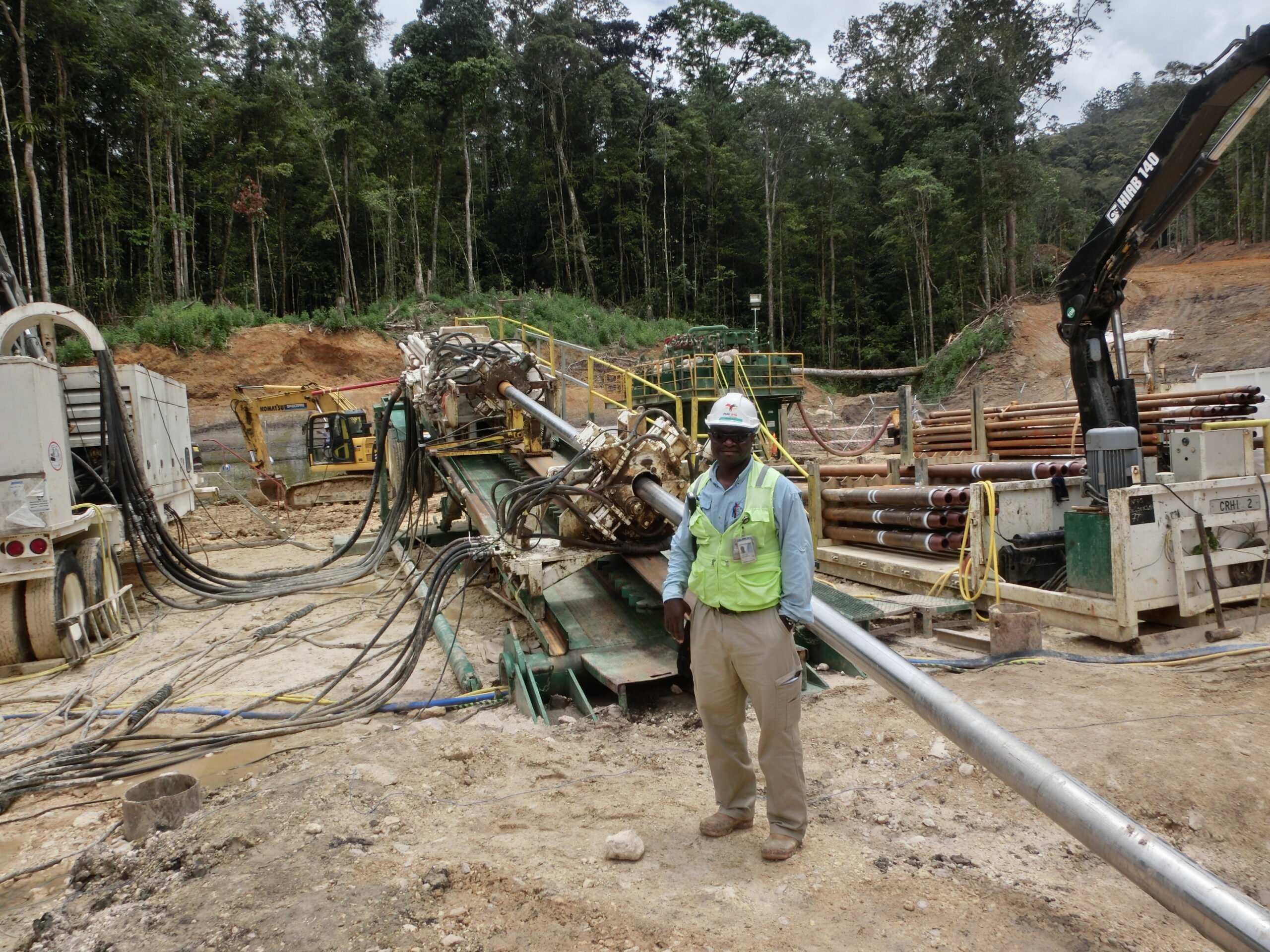
E&S specialist responsible for drilling operations supervision. (Source: Francois Djissou Happi)
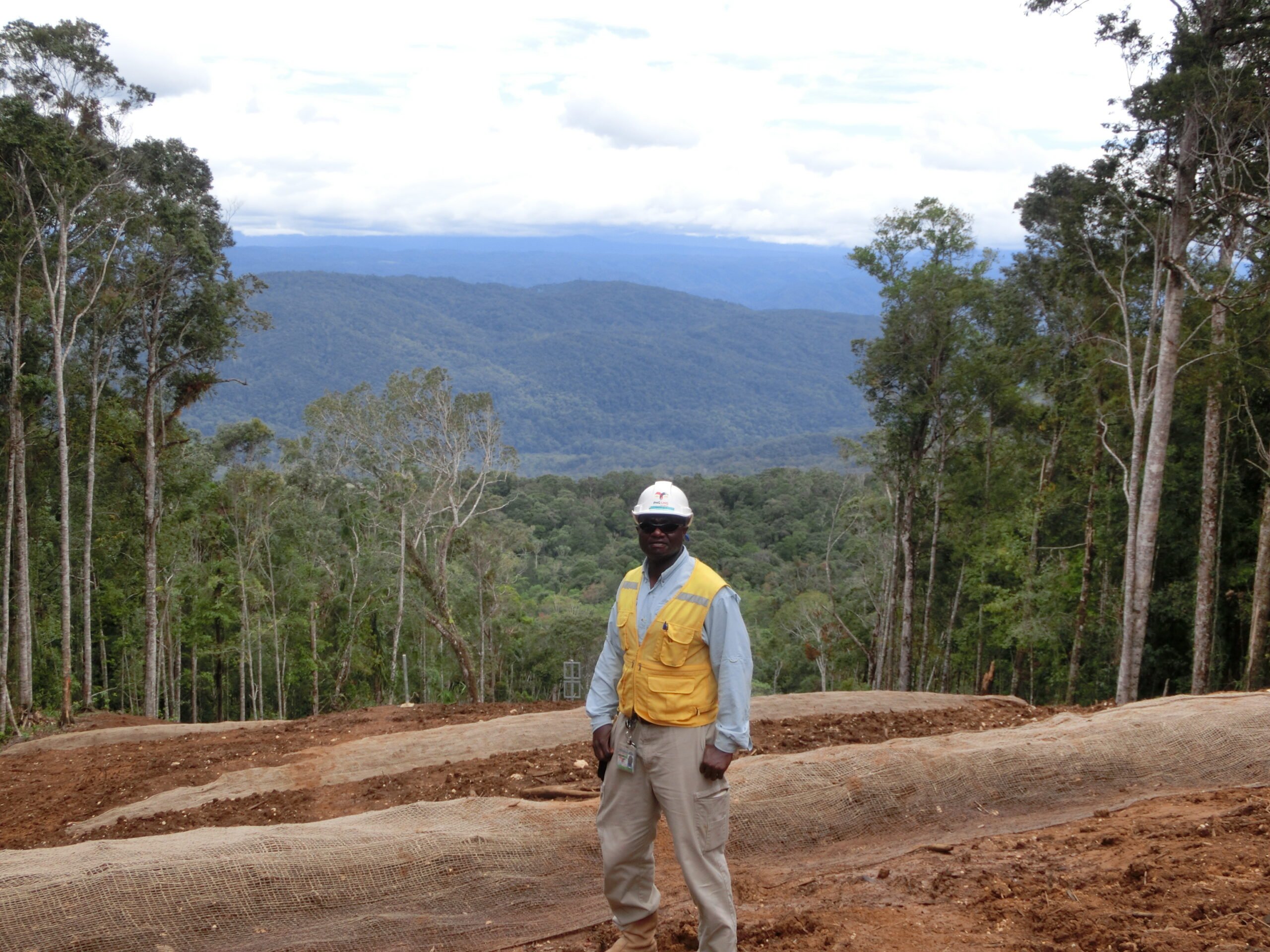
Pipeline installation occurs by sections. These sections will eventually be tied in to one another. Because of this, the tie-in process needs to inspected and audited to ensure that the whole length of the pipeline complies with the environmental and social guidelines before the pipeline gets approved for operations. (Source: Francois Djissou Happi)
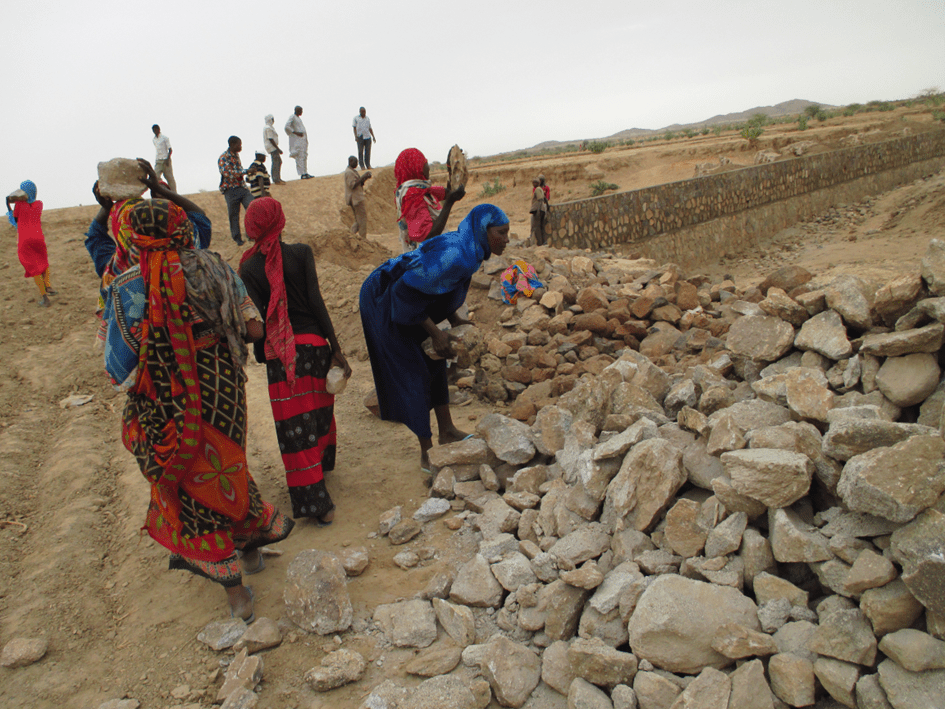
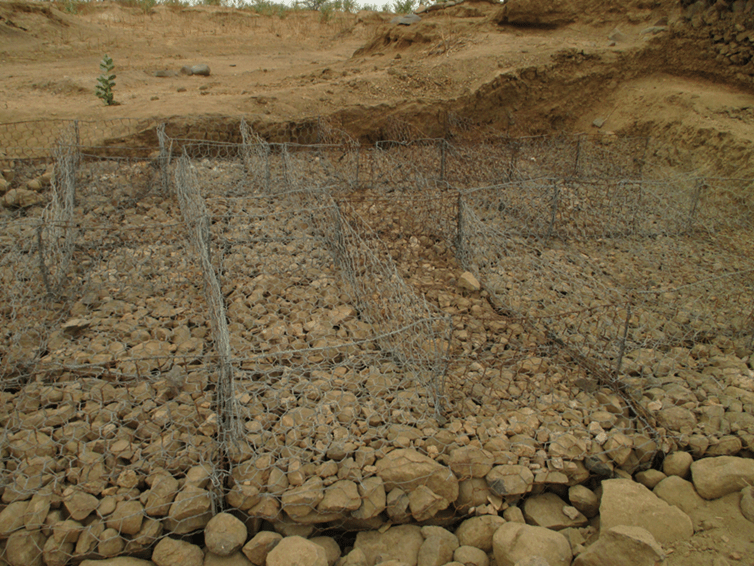
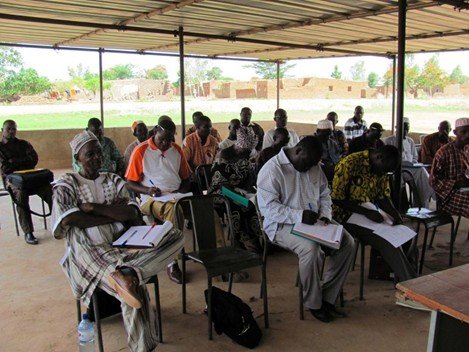
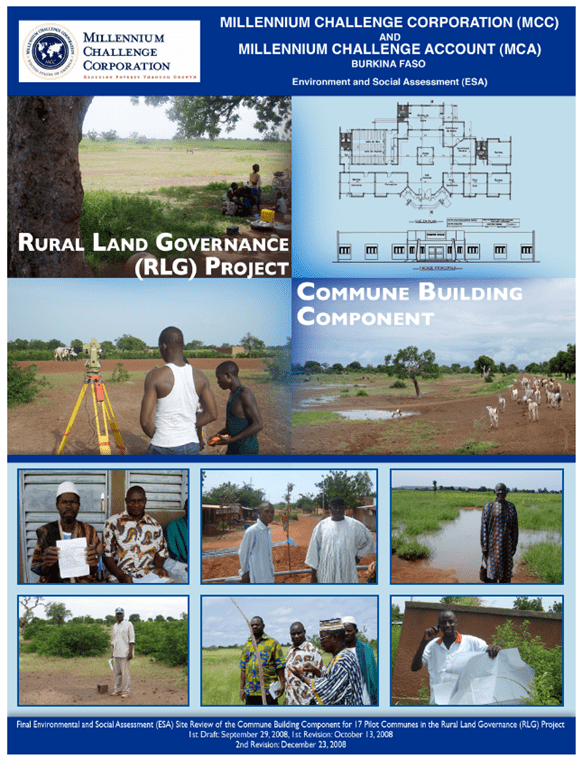
Our finance and tax reviews assess the financial health, integrity, and sustainability of applicants and beneficiaries. This work may involve ACSD’s Co-Director, Issa Zerbo (Accountant), in collaboration with resource consultants specializing in statistics and professional auditing.
Key focus areas include:
Where local access to data is constrained, ACSD leverages its professional network to identify qualified in-country consultants to support the assessment.
Legal due diligence ensures compliance with national, regional, and international regulations relevant to the applicant’s sector. ACSD co-identifies and vets qualified local legal experts to assess:
Commercial assessments focus on market viability and growth potential. Working with vetted local experts, we analyze:
Technical due diligence evaluates sector-specific operational and regulatory requirements. Depending on the sector, ACSD engages subject-matter experts (e.g., medical doctors for health-sector investments) to review:
Our E&S assessments determine whether projects are operating responsibly and in line with both national and international sustainability standards.
This includes environmental reviews, of each applicant including:
This includes environmental reviews, of each applicant including:
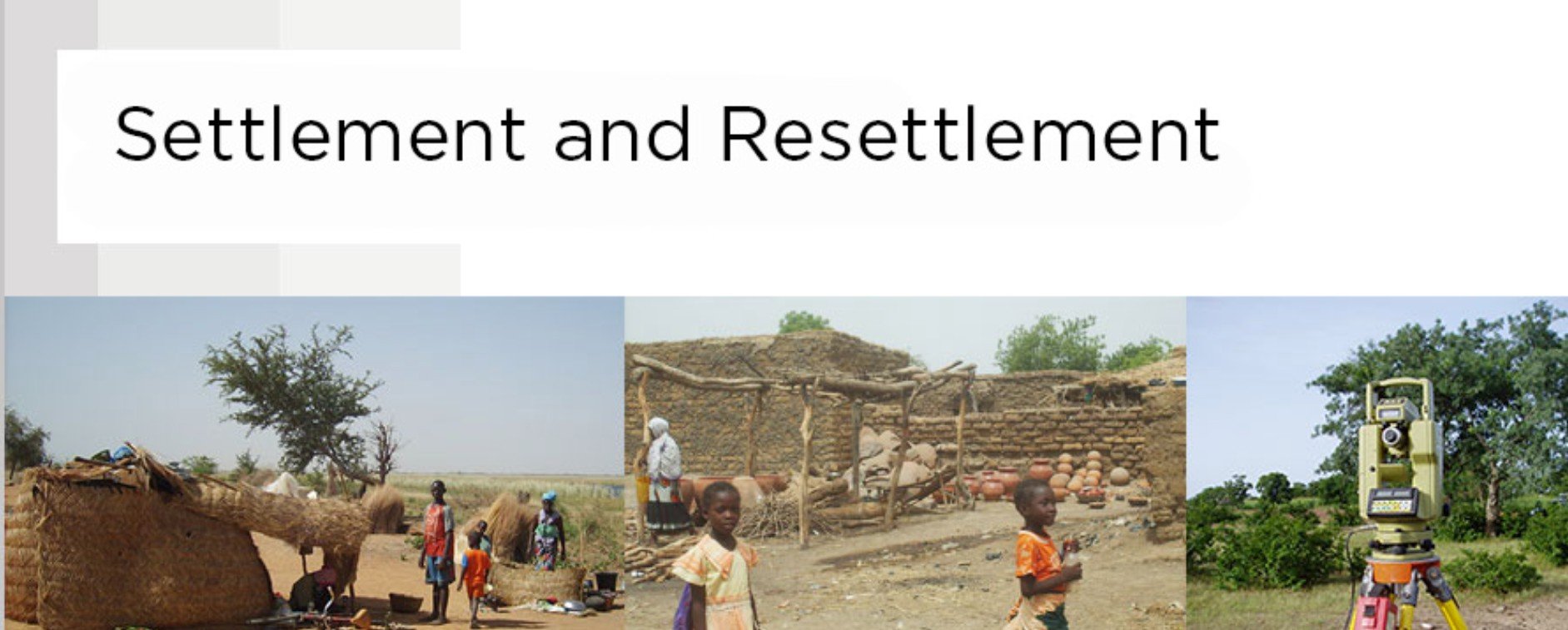
Our team is also qualified to conduct resettlement reviews that assess any project’s:
Business integrity due diligence is the key to successful investment and it is often overlooked.
ACSD asks:
Whether you are designing a new financing facility, evaluating investment opportunities, or strengthening oversight of an existing portfolio, ACSD provides the due diligence expertise you need to make confident, well-informed decisions.
Donors & Development Finance Institutions: Strengthen fiduciary oversight and safeguard development impact.
Private Investors: Reduce risk and validate commercial and Environment Social Governance (ESG) assumptions.
Governments: Enhance project screening, compliance, and implementation readiness.
Contact ACSD to request due diligence support or discuss your financing needs.