Technical Expertise: ACSD brings together a team of experienced, primarily Africa-based specialists with demonstrated expertise across seven of the most critical HA and CSTP intervention areas:

(See Table A below for the HA/CSTP consultants’ technical expertise.)
| Expertise | Amadou Ba | Nikiegnou Gnoumou | Fatimata Oulima Sinaré | Radjab Mahamat Saleh | Rodney Stubina | Gérard Yessé |
| 1. Conflict Analysis & Early Warning | ✔ | ✔ | ✔ | ✔ | ✔ | |
| 2. Ex-Combatant Demobilization & Reintegration (including wives and families) | ✔ | ✔ | ✔ | |||
| 3. Stabilization & CVE | ✔ | ✔ | ✔ | |||
| 4. Capacity Strengthening | ||||||
| 4.a. Baseline assessments and strategies for strengthening | ✔ | ✔ | ✔ | ✔ | ✔ | ✔ |
| 4.b. Partner coordination systems (baseline assessments and strategies for strengthening) | ✔ | ✔ | ✔ | ✔ | ✔ | ✔ |
| 5. Conflict Mitigation & Livelihood Support Activities (for IDPs and the local population affected by IDP temporary and permanent resettlement) | ||||||
| 5.a. Humanitarian assistance | ✔ | |||||
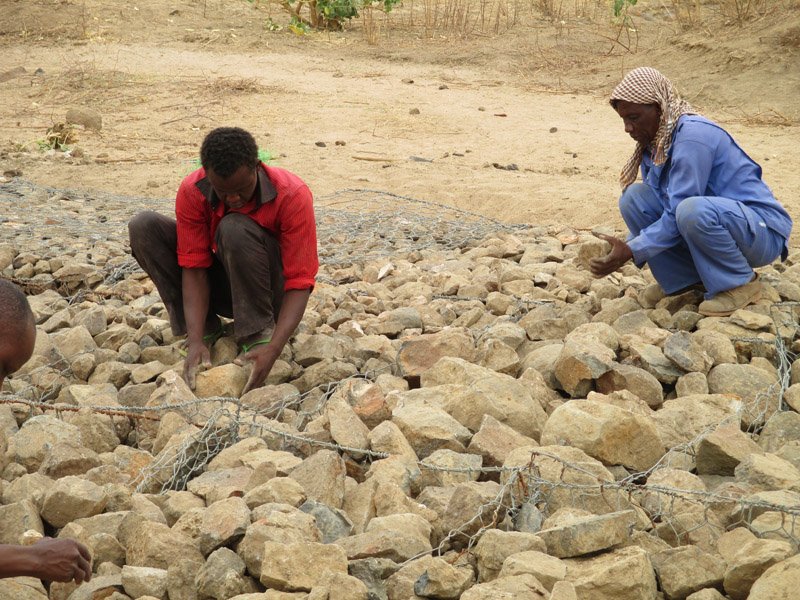
| 5.b. Infrastructure development and rehabilitation (including FFW) | ✔ | ✔ | ||||
| 5.c. Land tenure issues | ✔ | |||||
| 5.d. Inclusive finance | ✔ | ✔ | ||||
| 5.e. Conflict management skills/interventions | ✔ | ✔ | ✔ | |||
| 5.f. Women and youth empowerment | ✔ | ✔ | ||||
| 6. Cross-Border Governance | ||||||
| 6.a. Baseline capacity assessment | ✔ | ✔ | ||||
| 6.b. Border infrastructure | ✔ | ✔ | ✔ | |||
| 6.c. Capacity strengthening of key border stakeholders | ✔ | ✔ | ||||
| 6.d. Cross-border coordination groups (police and local government, religious and civil leaders) | ✔ | ✔ | ✔ | ✔ | ✔ | |
| 7. Democracy, Human Rights, and Governance (DRG) | ✔ | ✔ | ✔ | |||
Commitment to Local Capacity Strengthening and Inclusion: Every team member has a proven track record of actively engaging local leaders, communities, and government counterparts in the design, delivery, and monitoring of HA/CSTP interventions. This integrated approach ensures programs are context-driven, coordinated, and effective.
Adaptive and Responsive Programming: We recognize that success in HA and CSTP is often reflected in shifting stabilization and resilience conditions. Programs must remain flexible and responsive to changing community, regional, and national dynamics.
(See Table B below for examples of how ACSD anticipates the need for adapting program activities to shifts in stability [e.g., red, yellow, green].)
Table B. ACSD Seven-Phase Model for HA/CSTP Support in Relation to Different Levels of Stability
(✔=Yes; R=Red: Very unstable [most government and formal commercial services suspended]; Y=Yellow: Increasingly stable [some functioning government and commercial services]; G=Green: Functional government and commercial services)
| HA/CSTP Technical Expertise | Level of Conflict | ||
G | Y | R | |
| 1. Conflict Analysis & Early Warning | ✔ | ✔ | ✔ |
| 2. Ex-Combatant Demobilization & Reintegration |
| ✔ | ✔ |
| 3. Stabilization & CVE | ✔ | ✔ | ✔ |
| 4. Local Capacity Strengthening |
|
|
|
| 4.a. Baseline assessment strategies for strengthening | ✔ | ✔ | ✔ |
| 4.b. Partner coordination systems (baseline assessments and strategies for strengthening) | ✔ | ✔ | ✔ |
| 5. Conflict Mitigation & Livelihood Support Activities (for IDPs and the local populations affected by IDP temporary and permanent resettlement) |
|
|
|
| 5.a. Humanitarian assistance (food and health) and logistical support for DART deployment and operations |
| ✔ | ✔ |
| 5.b. Infrastructure development and rehabilitation (including FFW) | ✔ | ✔ |
|
| 5.c. Land tenure issues | ✔ | ✔ |
|
| 5.c.1. For IDPs returning to their home villages | ✔ | ✔ |
|
| 5.c.2. For IDPS who cannot return to home villages | ✔ | ✔ |
|
| 5.c.3. Strengthen local processes for land tenure security for IDPs and non-IDPs | ✔ | ✔ |
|
| 5.d. Inclusive finance | ✔ | ✔ |
|
| 5.e. Conflict management skills/interventions | ✔ | ✔ | ✔ |
| 5.f. Women and youth empowerment | ✔ | ✔ | ✔ |
| 6. Cross-Border Governance |
|
|
|
| 6.a. Baseline evaluation of the capacity of the local authorities and population to govern the borders | ✔ | ✔ | ✔ |
| 6.b. Support for rehabilitation and improvement of basic social infrastructure (stations, schools, solar power, etc.) and police housing and administration | ✔ | ✔ | ✔ |
| 6.c. Capacity strengthening of key stakeholders (community leaders, health workers, teachers, and police) |
| ✔ | ✔ |
| 6.d. Help create/strengthen coordination groups that link police and local government, religious and civil leaders across borders | ✔ | ✔ | ✔ |
| 7. Democracy, Human Rights, and Governance (DRG) | ✔ | ✔ |
|
| HA/CSTP Specific Management Expertise |
|
|
|
| 1. Local partner coordination | ✔ | ✔ | ✔ |
| 2. DOW (Department of War) coordination |
| ✔ | ✔ |
| 3. J-SOC (Joint Special Operations) coordination |
| ✔ | ✔ |
| 4. Compliance (procurement, HR) & reporting | ✔ | ✔ | ✔ |
| 5. Proposals | ✔ | ✔ | ✔ |
| 6. Infrastructure rehabilitation projects (including FFW) |
| ✔ | ✔ |
| 7. Task order start-up and close-out | ✔ | ✔ | ✔ |
| 8. MEAL | ✔ | ✔ | ✔ |
| 9. Business analysis/audit of contracts (efficiency control) | ✔ | ✔ | ✔ |
Source: ACSD Consultant Discussions, February 20, 2026.
MEAL: For this reason we prioritize the co-development of robust community-based Monitoring, Evaluation, Accountability, and Learning (MEAL) systems from day one, enabling real-time learning and adaptive management.
Experienced Management Team: Our HA/CSTP team has experience with strengthening the capacity of local partners to collaborate with national and international development and security partners on design, implementation, and management from inception through close-out.
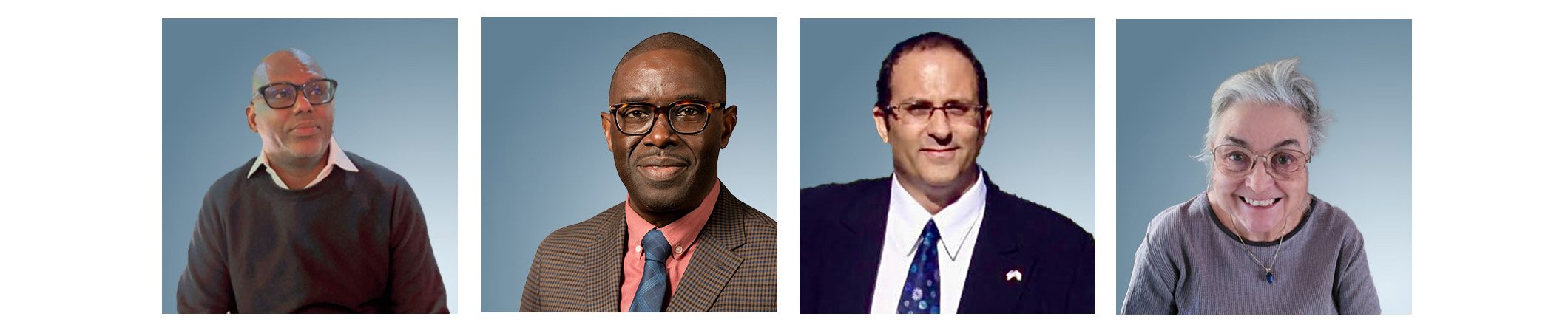
(See Table C below for the HA/CSTP management consultants’ specific expertise.)
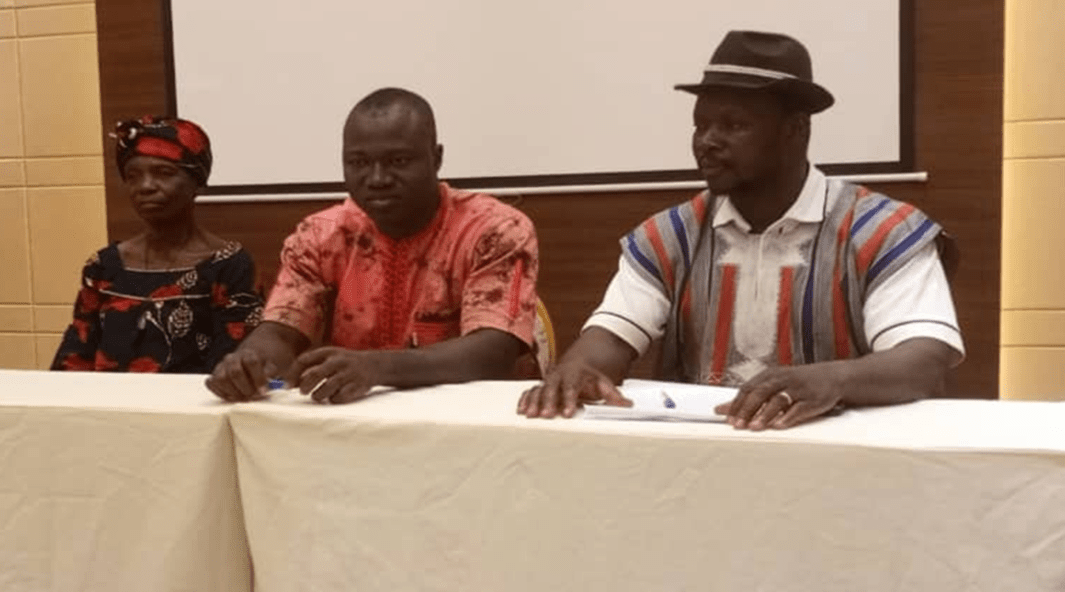
Table C. ACSD Core Consultant Leads: HA/CSTP Management
| HA/CSTP Specific Expertise* | Amadou | Abdou | Rodney Stubina | Alice |
| 1. Financial Partner Coordination | ✔ | ✔ | ✔ | |
| 2. DOW (Department of War) Coordination | ✔ | ✔ | ✔ | |
| 3. J-SOC (Joint Special Operations) Coordination |
|
| ✔ | |
| 4. Compliance Monitoring (procurement, HR, taxes) & Reporting | ✔ | ✔ | ✔ |
|
| 5. Proposals |
| ✔ | ✔ | ✔ |
| 6. Task Order Start-Up & Close-Outs | ✔ | ✔ | ✔ | |
| 7. MEAL Compliance Issues | ✔ | ✔ | ✔ | ✔ |
| 8. Business Analysis/Audit of Contracts (efficiency control) |
| ✔ |
|
|
*To review more general management expertise, see Table A on ACSD’s Cross-Cutting Management Page.
Source: ACSD, January 9, 2026, based on the consultants’ curricula vitae.
ACSD stands ready to partner with donors, governments, and local actors to translate this integrated approach into effective, context-responsive action. We welcome opportunities to co-design and implement HA/CSTP initiatives that drive stabilization, resilience, and lasting community impact.
For partnership inquiries or to explore collaboration, please contact us to continue the conversation.
High school rally designed to strengthen community engagement with local leaders and the government to encourage high school students after Boka Haram incursions. This included the distribution of educational supplies as part of a competition for scholarships and student achievements in vulnerable communities. Successful people who left these areas for the capital city were brought in to distribute the supplies to students to show education as a resource for success and a way out of poverty and of strengthening civil society. Both activities were supported by the USAID-funded PDEV II Project, executed by IRD/Chad. (Source: ACSD photo archive)
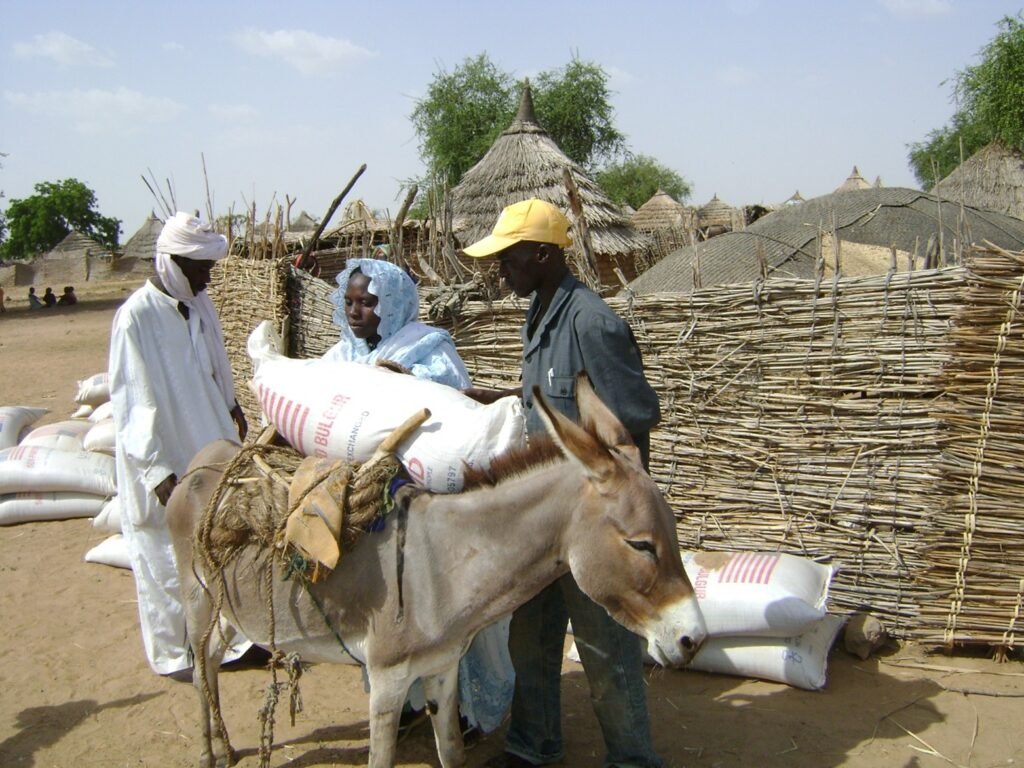
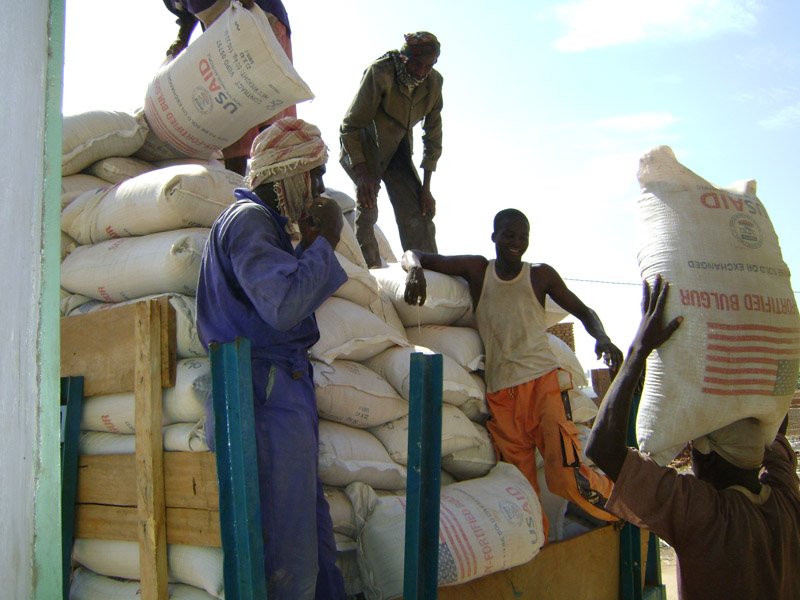
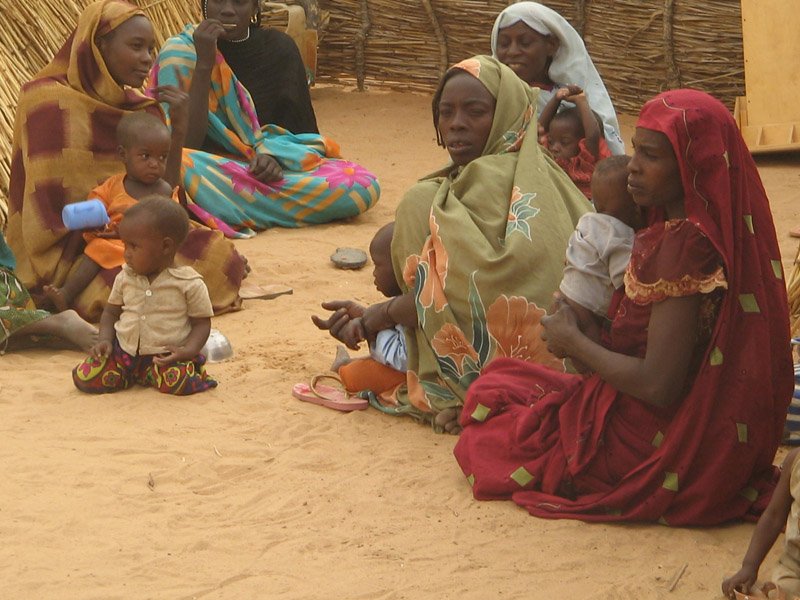
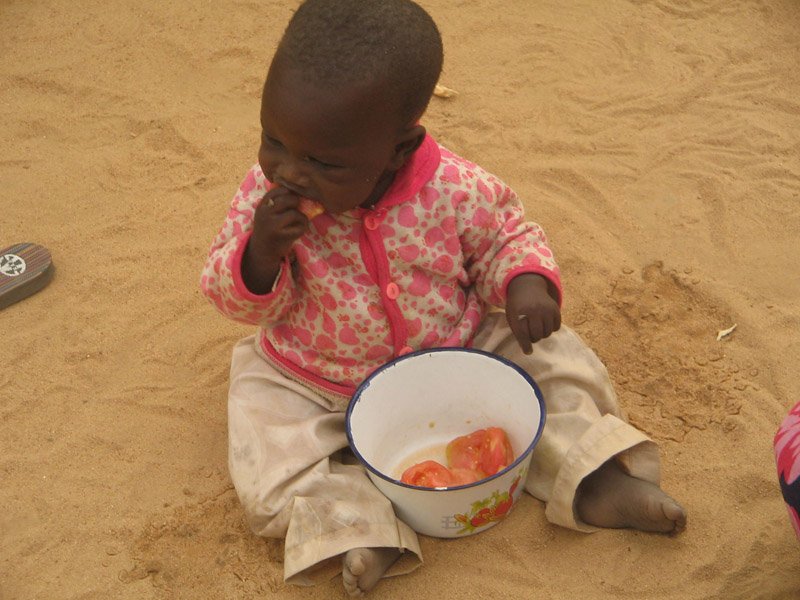
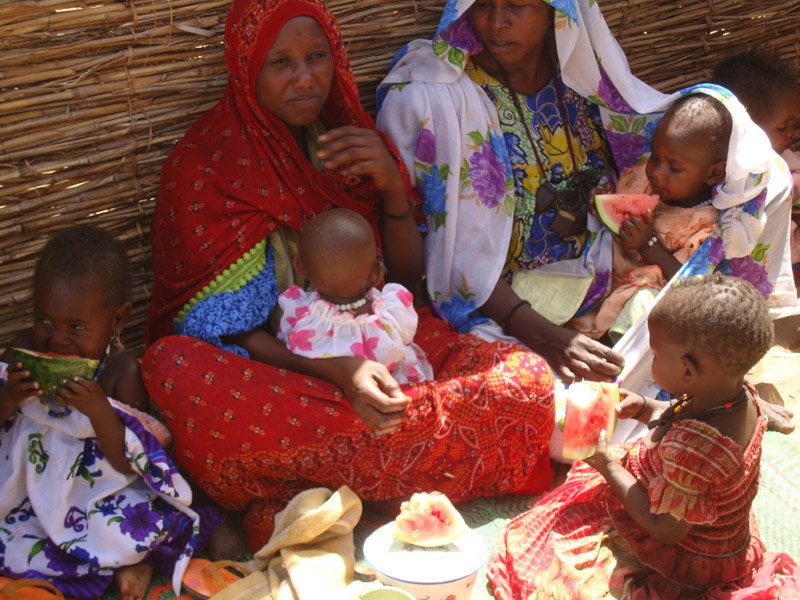
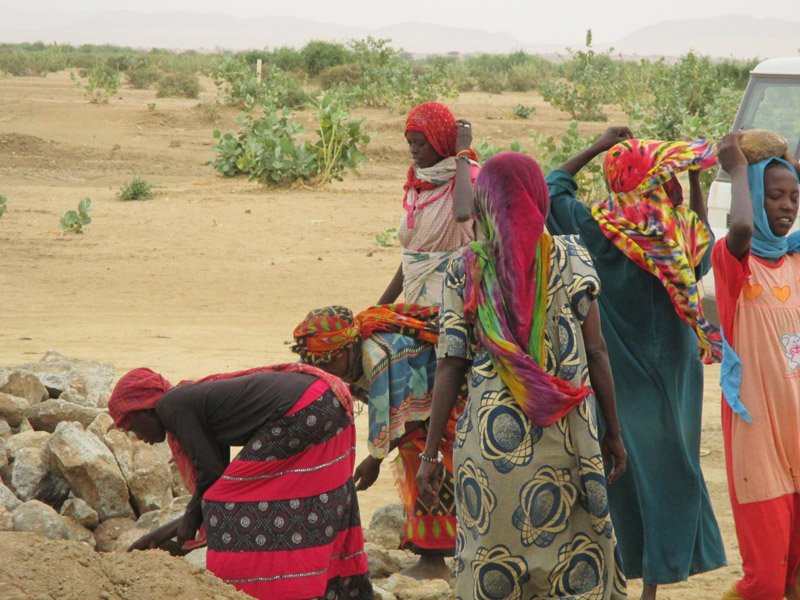
From 1998 to 2015 Radjab Mahamet Saleh was one of the leading technical advisors and/or director for a series of food security programs in three of Chad’s most vulnerable regions (Ouaddai, Batha, and Sila) that used USG and WFP food assistance to support infrastructure rehabilitation (through Food for Work) and the rehabilitation of moderately malnourished children using the Hearth Model.
The Hearth Model focuses on the promotion of locally-available, culturally-appropriate, and affordable products while simultaneously promoting behavior changes of their primary guardians related to caring practices including hygiene, dietary practices, and health care. (Source: ACSD photo archive)
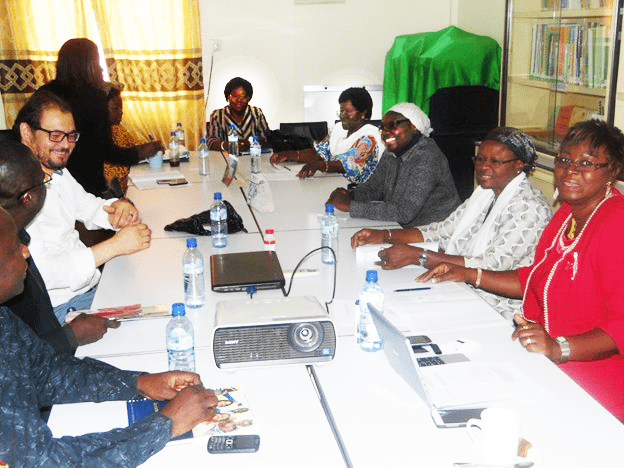
Since 2014, Fatimata Ouilma Sinaré has led numerous initiatives to promote the integration of gender, social inclusion, Countering Gender Violence (CGV), and Do No Harm principles into a wide range of HA/CSTP initiatives across the Sahel. She is also widely recognized for her skills in conflict mediation. (Source: ACSD photo archive)
Build public awareness of the link between land tenure issues, good governance, and HA/CSTP:
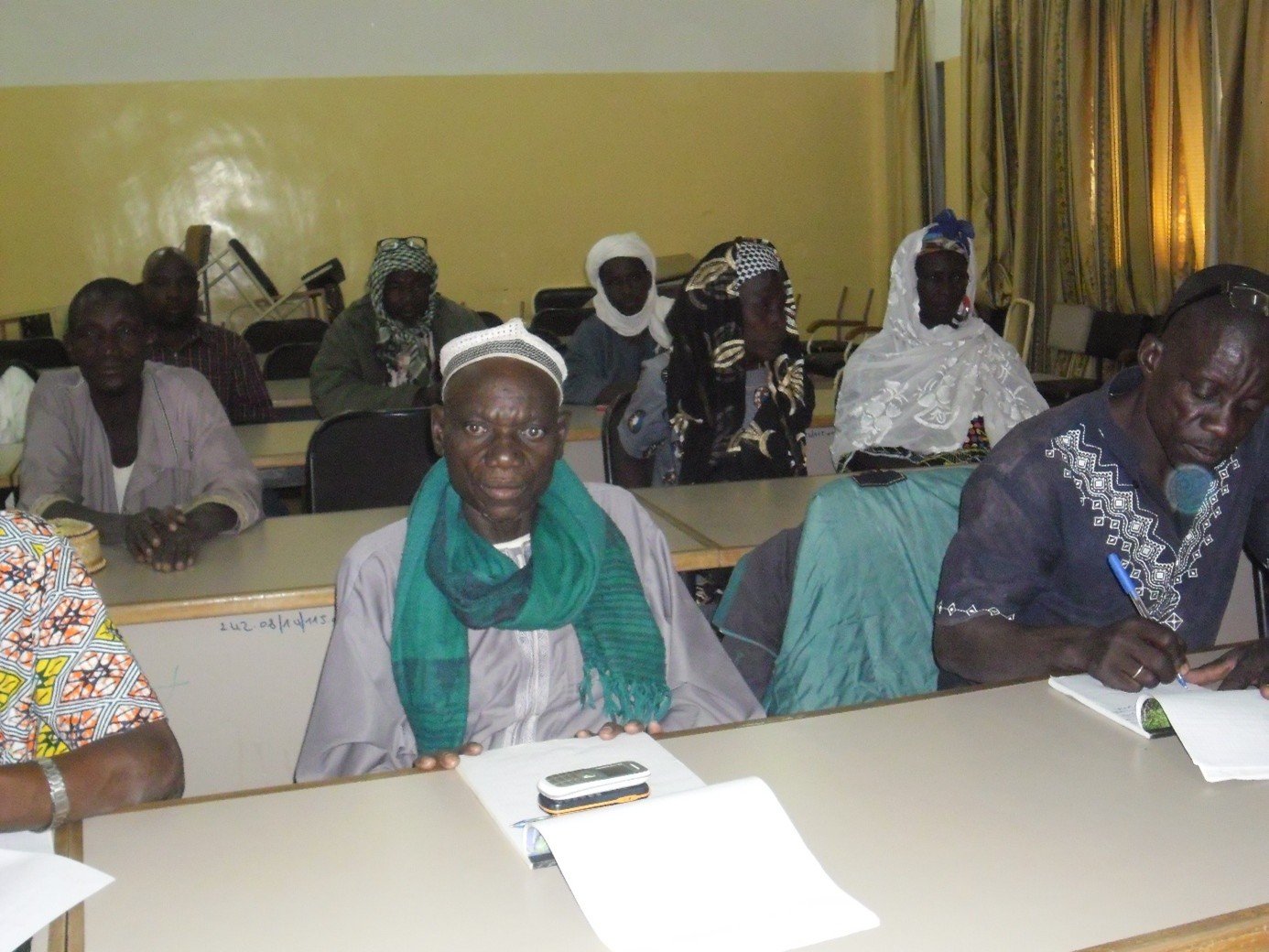
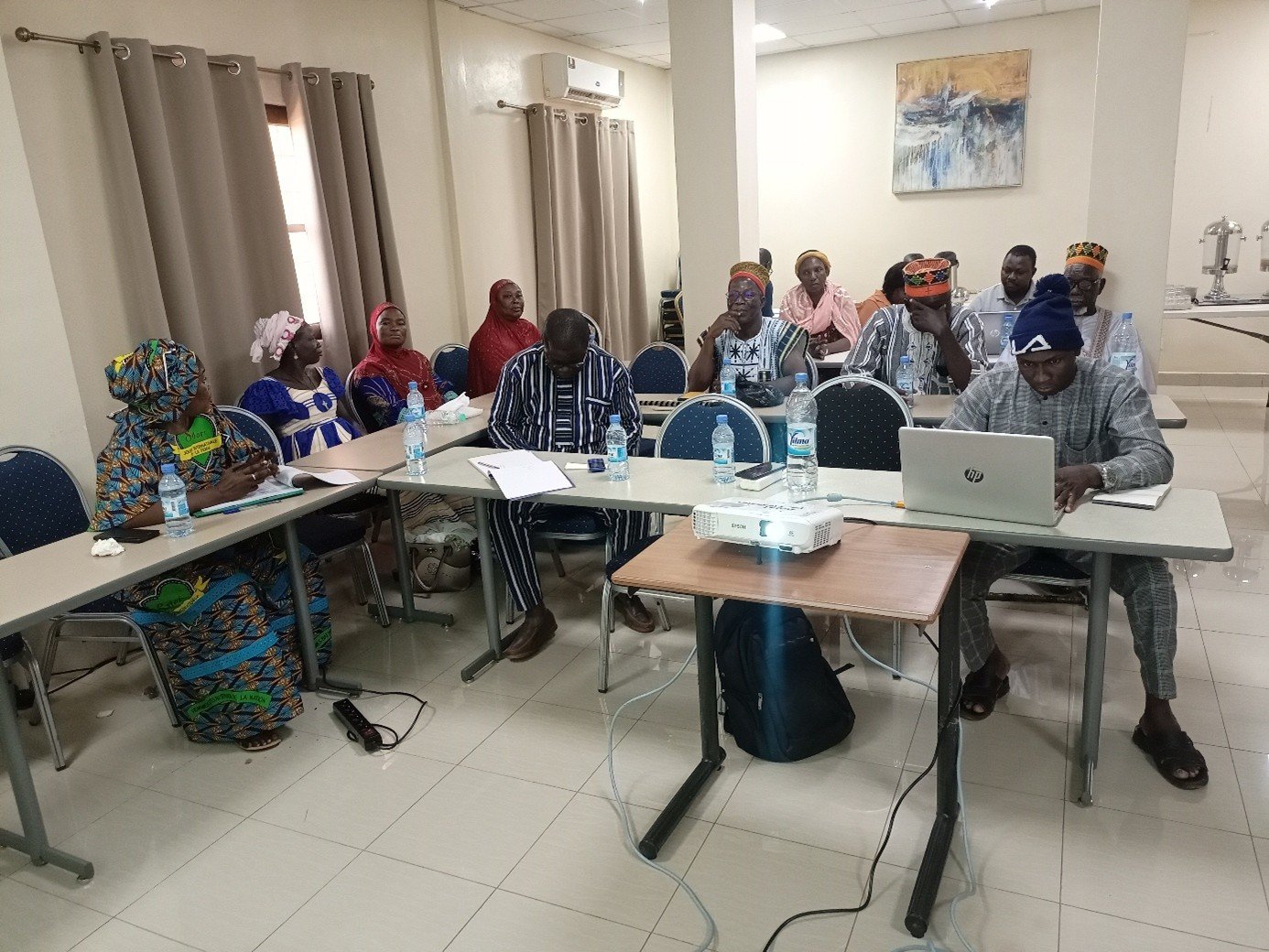
Training of local officials in Dori on the new national laws for decentralization, local governance, and financial mobilization (e.g., taxes and revenue-generating activities that support the local governments). This training was executed by ACSD consultant Nikiegnounou Gnoumou through a grant from the World Bank-funded PNGT III Program. (Source: ACSD photo archive)
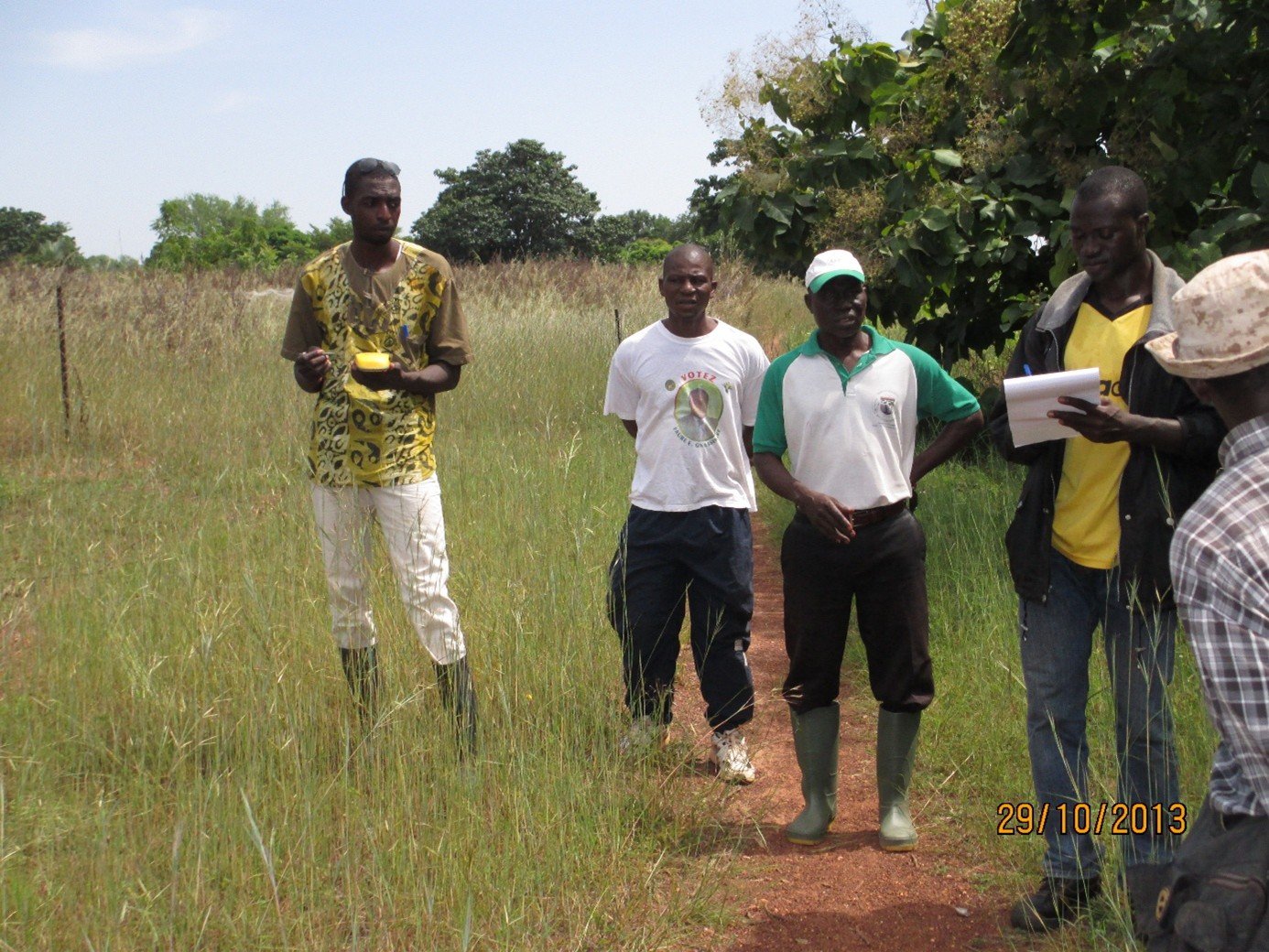
Facilitate the delimitation of land tenure rights and village-level "chartes foncières," (signed community land use plans that conform with the current land tenure laws of Burkina Faso): Nikiegnounou Gnoumou leading the team responsible for measuring and documenting the historic ownership of the fields adjacent to the Tengrela Lake (commune of Banfora). The men with traditional land claims to this particular plot of land are standing to his left (in white shirts). This activity was supported by the USG-funded Land Tenure Project supported by MCA/BF. (Source: ACSD photo archive)
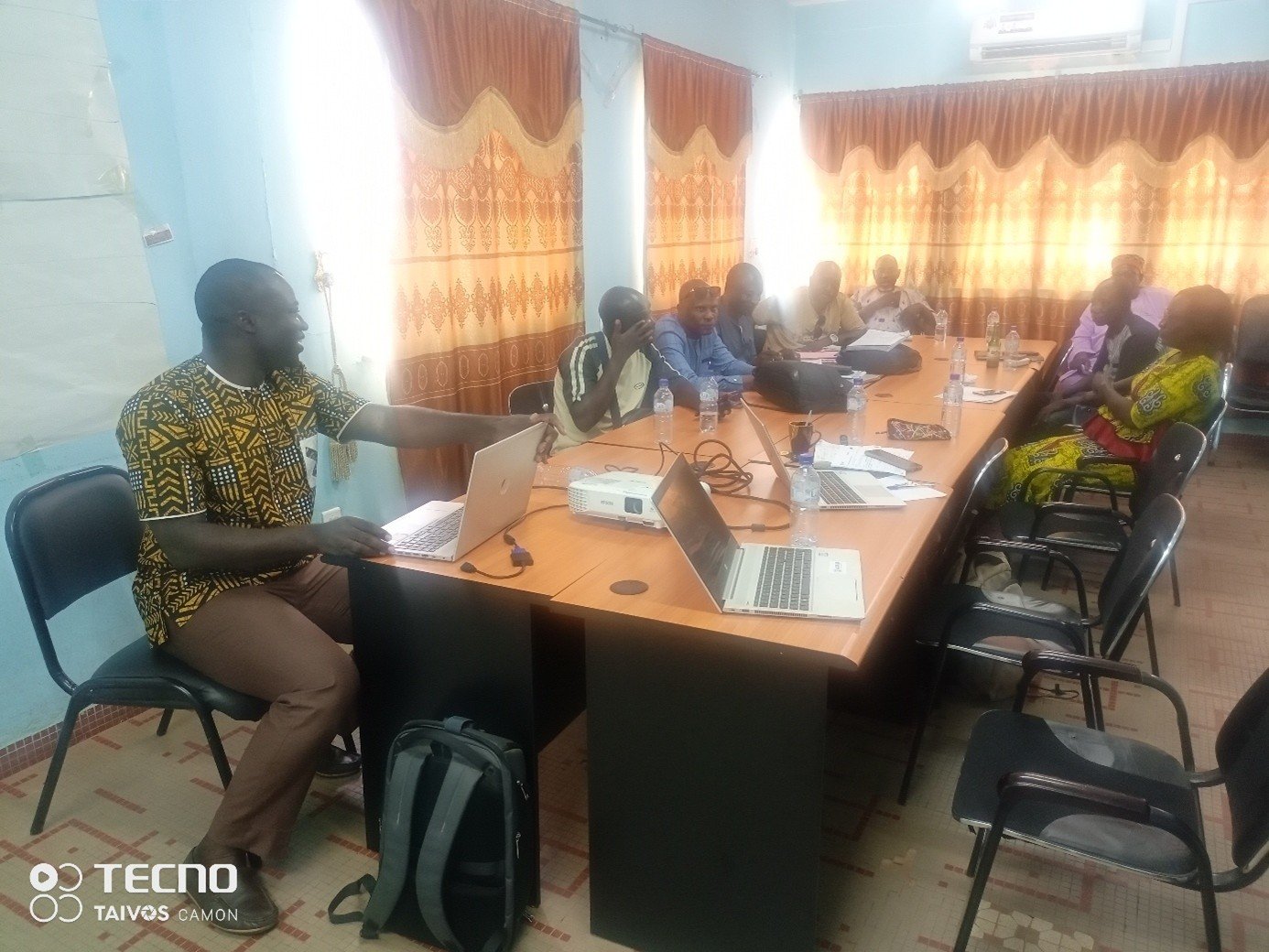
Facilitate the validation of the "chartes foncières" by local governments: Nikiegnounou Gnoumou facilitating a meeting with local authorities to validate the "chartes foncières" (signed community land use plans that conform with the current land tenure laws of Burkina Faso) for the Tourman Dam (commune of Pisala, Burkina Faso). This activity was supported by the USAID-funded ASTER Project. (Source: ACSD photo archive)
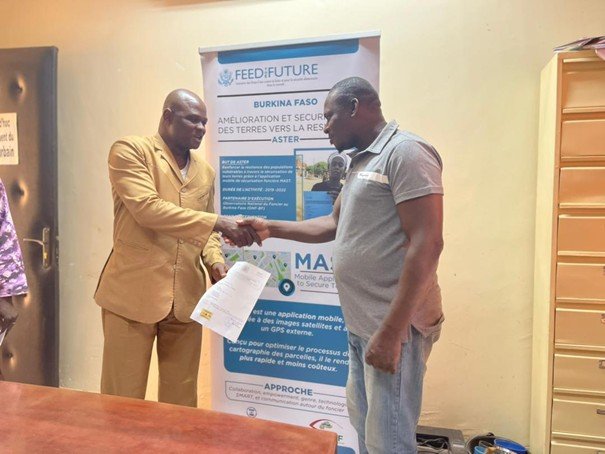
Facilitate the delivery of registered land tenure documents to farmers: To have registered title (aka APFR) a farmer must be able to prove his or her family’s historic ownership of the land or purchase of the land and to pay the required land tenure registration fee. This registration process was facilitated by the USAID-funded ASTER Project in Burkina Faso. (Source: ACSD photo archive)